
Product Analysis
Review product drawings, dimensions, geometry, material and quality needs.
Fabric-faced foam sleep masks with shaped nose notches and contoured eye areas for sleep, rest, and travel.
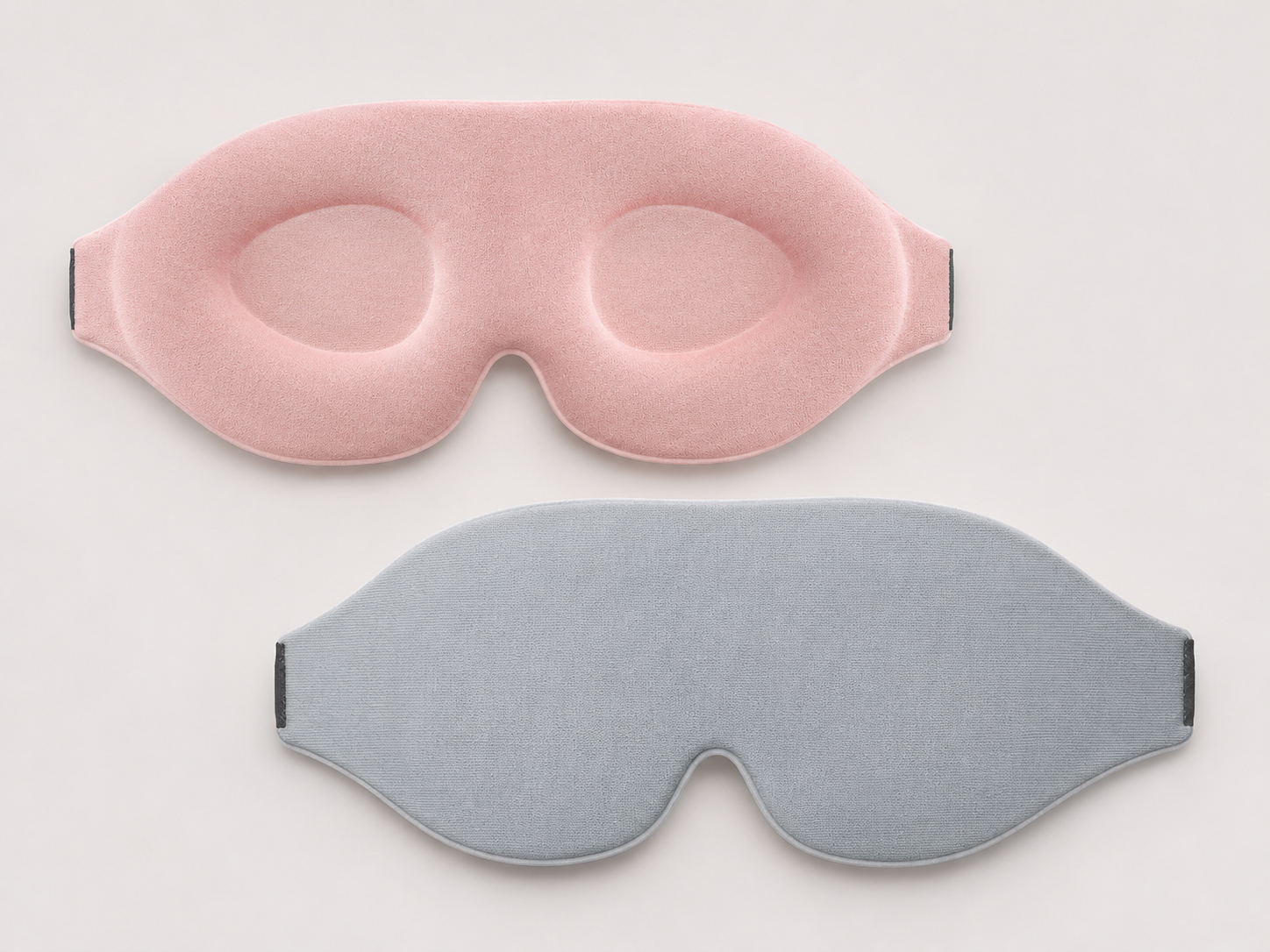
Fabric-faced foam sleep masks with shaped nose notches and contoured eye areas for sleep, rest, and travel.
Confirm part drawings, dimensions, material grade, thickness and quality expectations.
Review molds, temperature, pressing force, forming time and cooling needs.
Match working area, platen arrangement, loading, unloading and automation.
Clarify cycle expectations, part consistency and agreed inspection requirements.
A suitable forming system starts with understanding the finished product and manufacturing conditions. The following stages guide a project-specific engineering discussion.
Review product drawings, dimensions, geometry, material and quality needs.
Define heat, pressure, mold requirements and forming sequence.
Evaluate press configuration, work area, controls and handling.
Agree on equipment fabrication, inspection and testing scope.
Confirm documentation, destination and technical support scope.
Send us your finished product drawing, material specifications, mold information and target output.
Our team can discuss suitable forming equipment, hydraulic press configurations or an integrated production system for your manufacturing requirements.