
HUAJIA HYDRAULIC / APPLICATION ENGINEERING
Automotive Interior Parts Forming Solutions
Automotive interior parts include molded trunk liners, hood insulation pads, acoustic panels, floor insulation, wheel arch liners and other protective or thermal insulation components. These products can be manufactured from PET felt, polyester fiber, nonwoven fabrics, foam, EVA, XPE and other composite materials. Huajia Hydraulic provides customized…
2
Related Equipment
0
Production Lines
0
Published Solutions
0
Customer Projects
APPLICATION / PRODUCT REQUIREMENTS
Understand the Product Before Choosing the Press.
Automotive interior parts include molded trunk liners, hood insulation pads, acoustic panels, floor insulation, wheel arch liners and other protective or thermal insulation components.
These products can be manufactured from PET felt, polyester fiber, nonwoven fabrics, foam, EVA, XPE and other composite materials.
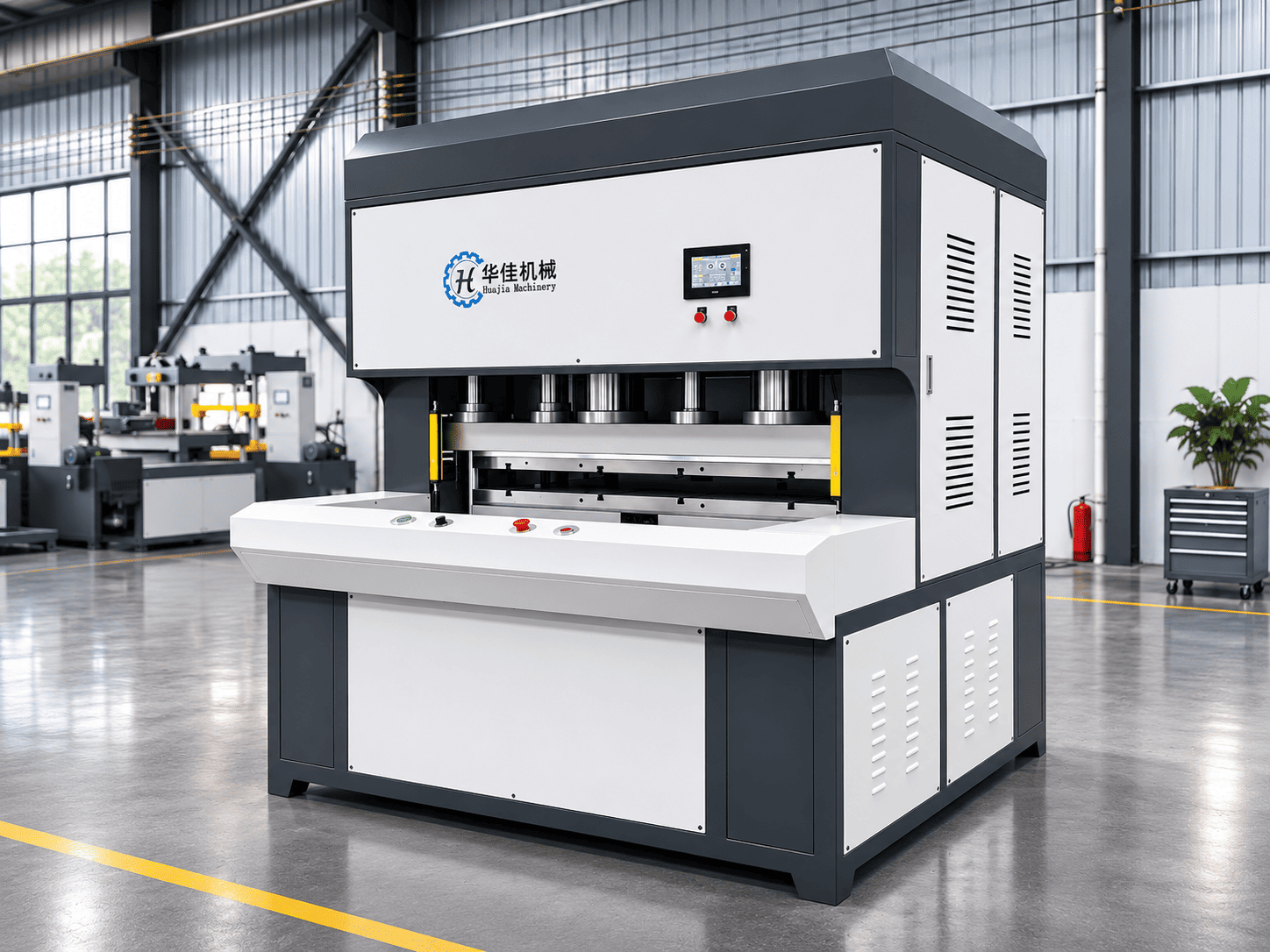
Huajia Hydraulic provides customized hot press and cold press molding solutions for automotive interior, acoustic and insulation components. Machine structures, pressing force, platen dimensions, heating temperature, cooling systems and automation configurations can be customized according to material properties, product dimensions and production requirements.
Materials Linked to This Application
Forming Processes Linked to This Application
01
Finished Product & Material
Confirm part drawings, dimensions, material grade, thickness and quality expectations.
02
Tooling & Forming Conditions
Review molds, temperature, pressing force, forming time and cooling needs.
03
Machine & Handling Configuration
Match working area, platen arrangement, loading, unloading and automation.
04
Production Output & Verification
Clarify cycle expectations, part consistency and agreed inspection requirements.
REAL RELATED EQUIPMENT
Machines Linked to Automotive Interior Parts
Review actual equipment records already assigned to this manufacturing application. Machine details and configurations are available on the individual equipment pages.
EQUIPMENT / REAL MACHINE RECORDS
View All Equipment →
Equipment for Automotive Interior Parts
Explore machines associated with this application. Each published machine can be reviewed for configuration and equipment details.
PUBLISHED EQUIPMENT & PROJECT EVIDENCE
Examine the Machines Behind the Application.
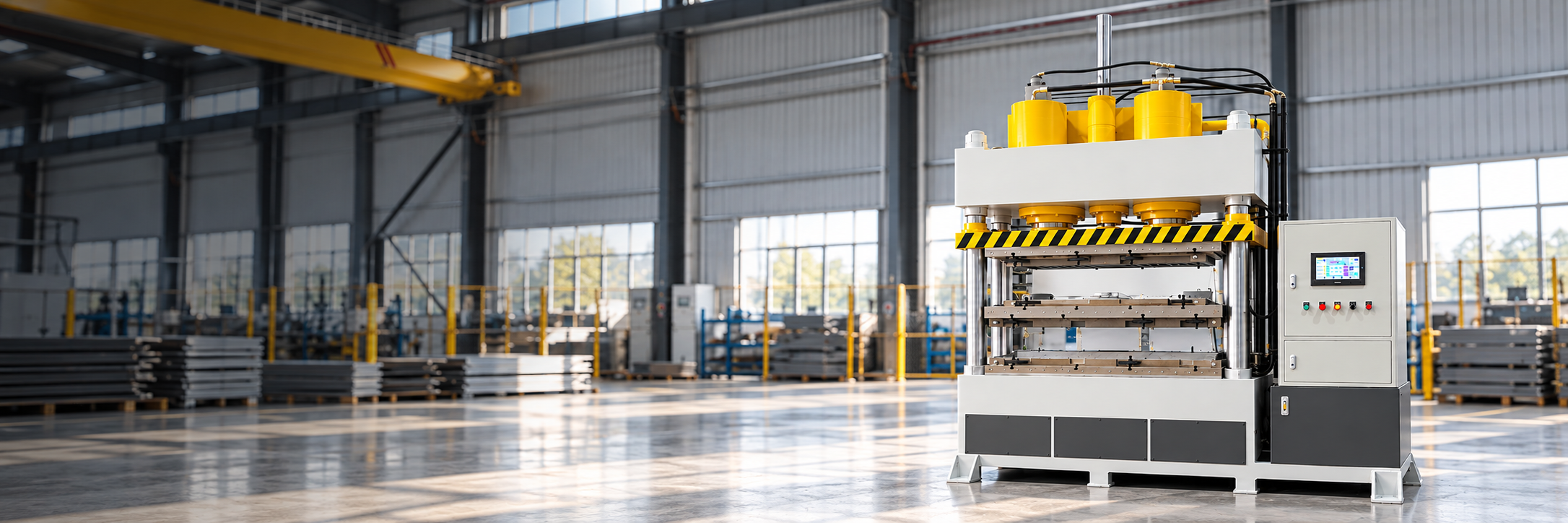
The images shown here are loaded from published equipment, production line, solution and customer project records associated with this application.
They provide a visual starting point for examining relevant machine designs, equipment layouts and the project information available for review.
ENGINEERING-DRIVEN MANUFACTURING APPROACH
From Application Requirements to Equipment Configuration
A suitable forming system starts with understanding the finished product and manufacturing conditions. The following stages guide a project-specific engineering discussion.
Product Analysis
Review product drawings, dimensions, geometry, material and quality needs.
Forming Process
Define heat, pressure, mold requirements and forming sequence.
Equipment Engineering
Evaluate press configuration, work area, controls and handling.
Manufacturing & Verification
Agree on equipment fabrication, inspection and testing scope.
Delivery & Support
Confirm documentation, destination and technical support scope.
YOUR PRODUCT / OUR ENGINEERING TEAM
Planning a Automotive Interior Parts Production Project?
Send us your finished product drawing, material specifications, mold information and target output.
Our team can discuss suitable forming equipment, hydraulic press configurations or an integrated production system for your manufacturing requirements.
Helpful Information for an Engineering Quote
Product photos or technical drawings
Material type, structure and dimensions
Mold specifications or forming requirements
Target capacity and production cycle
Automation needs and destination country
Discuss Your Application →