Servo Hydraulic Presses
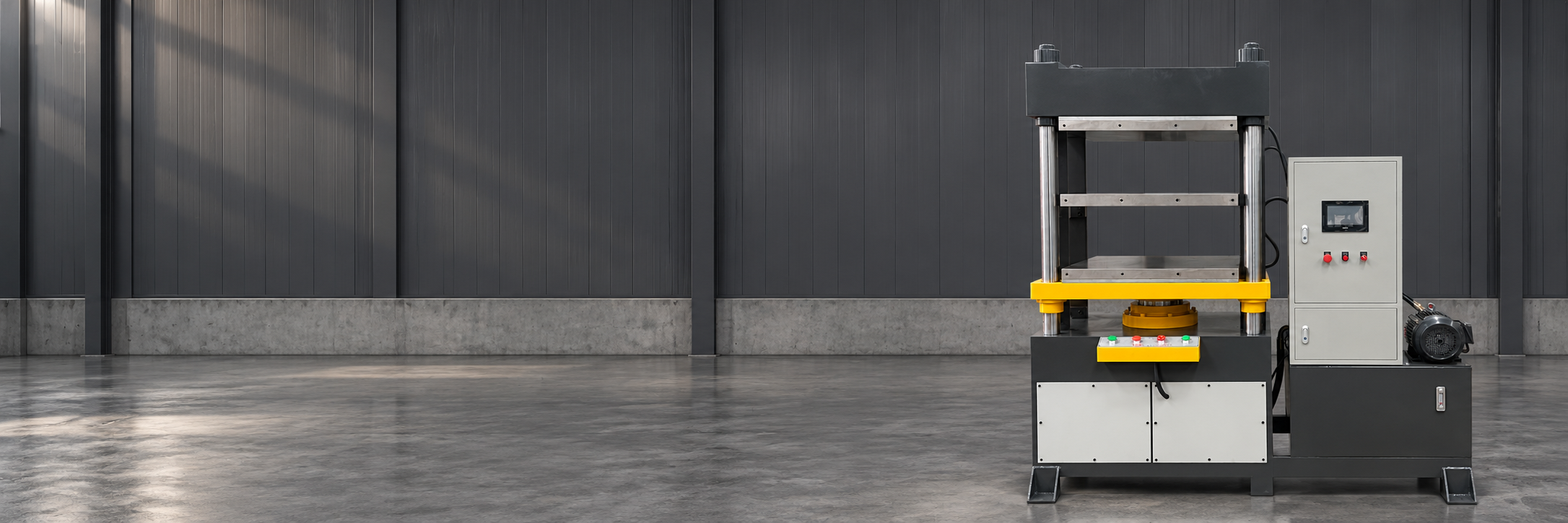
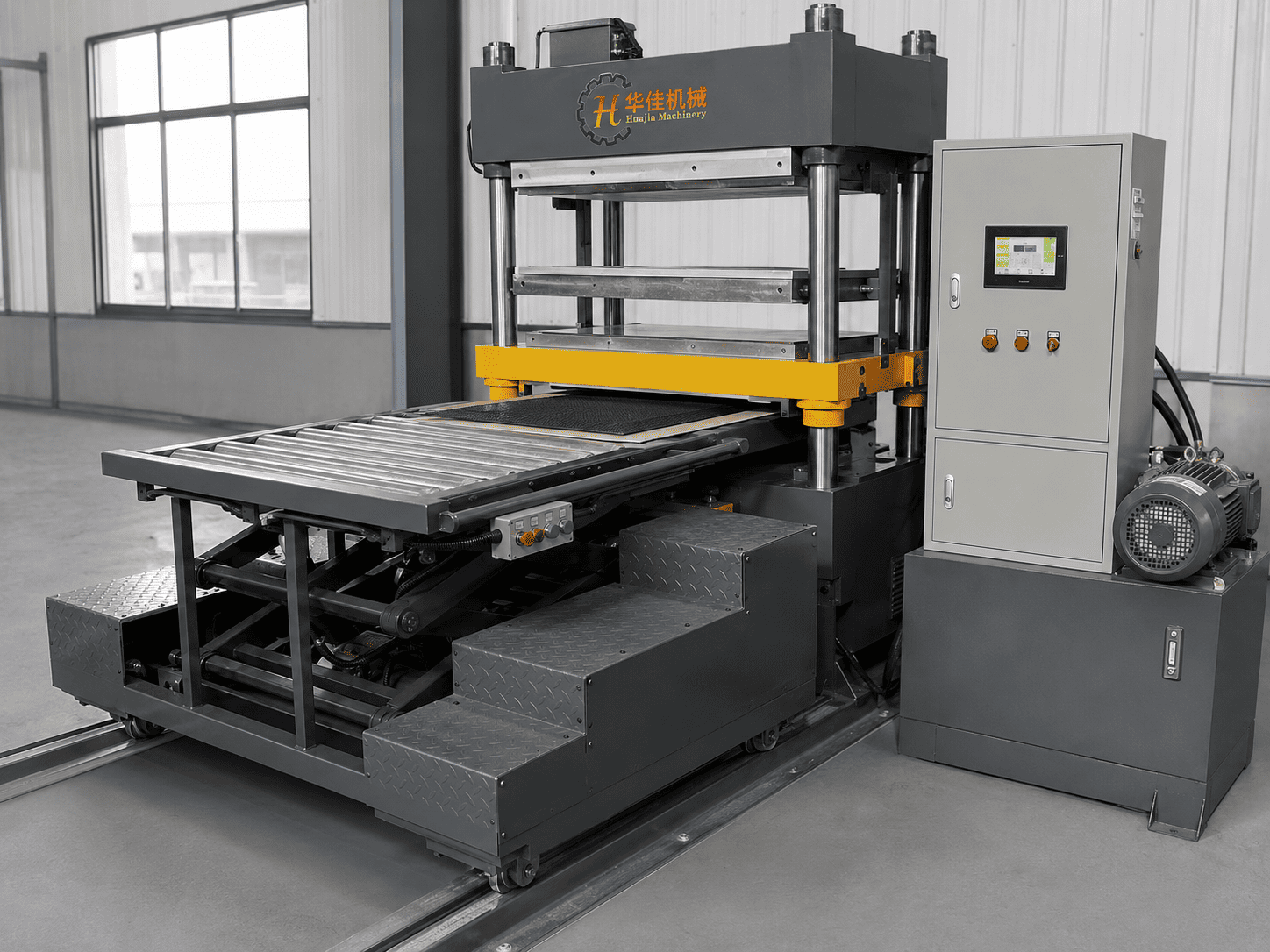
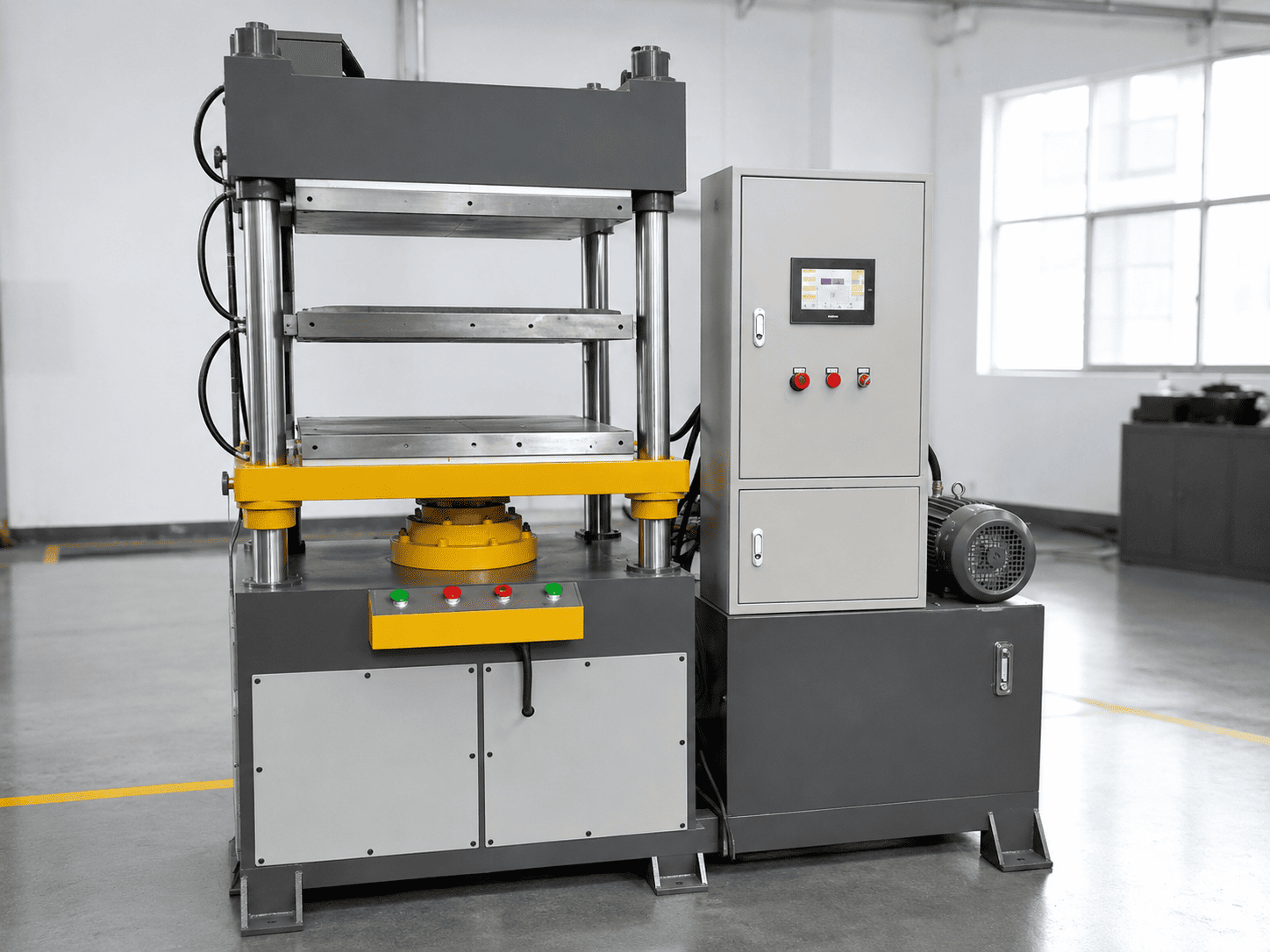
Huajia servo hydraulic presses combine servo-controlled hydraulic technology with a movable sliding table to provide controlled pressing, convenient mold access and flexible production. Available in cold press and hot…
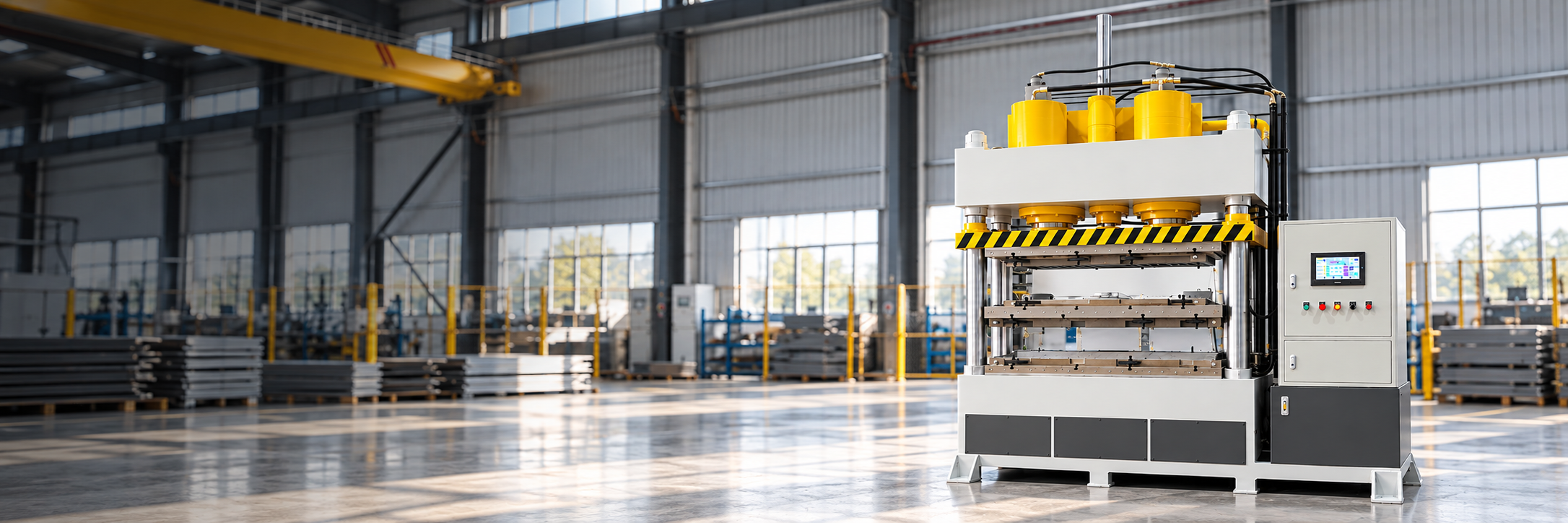
Hot press forming is a manufacturing process that applies controlled heat and pressure to shape, consolidate, and cure materials inside a mold. It is widely used for carbon fiber prepreg, composite sheets, rubber, plastics, and other engineered materials requiring stable temperature, pressure, and forming accuracy.
Identify the material structure, thickness, thermal behavior and compression characteristics.
Evaluate heating or cooling, pressure, holding time and mold requirements.
Determine press force, working area, stroke, opening and hydraulic control requirements.
Discuss cycle time, capacity, automation, repeatability and testing requirements.
The following machine is dynamically selected from equipment already assigned to this process. Review its individual page for the published configuration.
Huajia servo hydraulic presses combine servo-controlled hydraulic technology with a movable sliding table to provide controlled pressing, convenient mold access and flexible production. Available in cold press and hot…
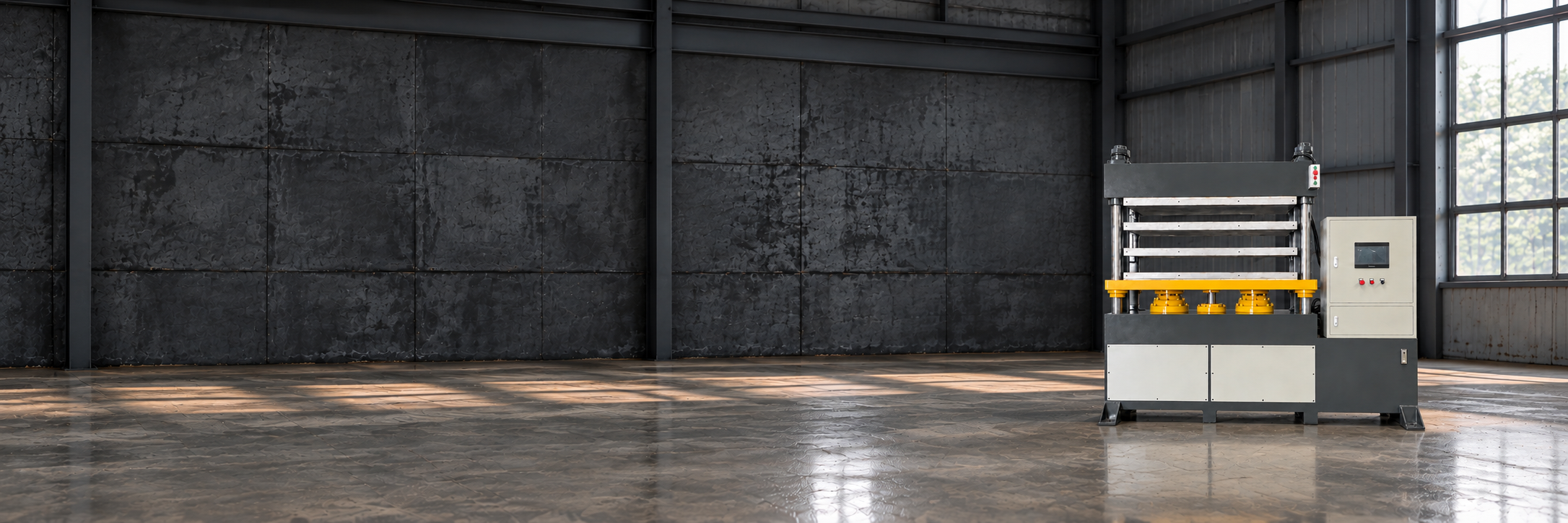
Inspect published forming machines already associated with this manufacturing process.
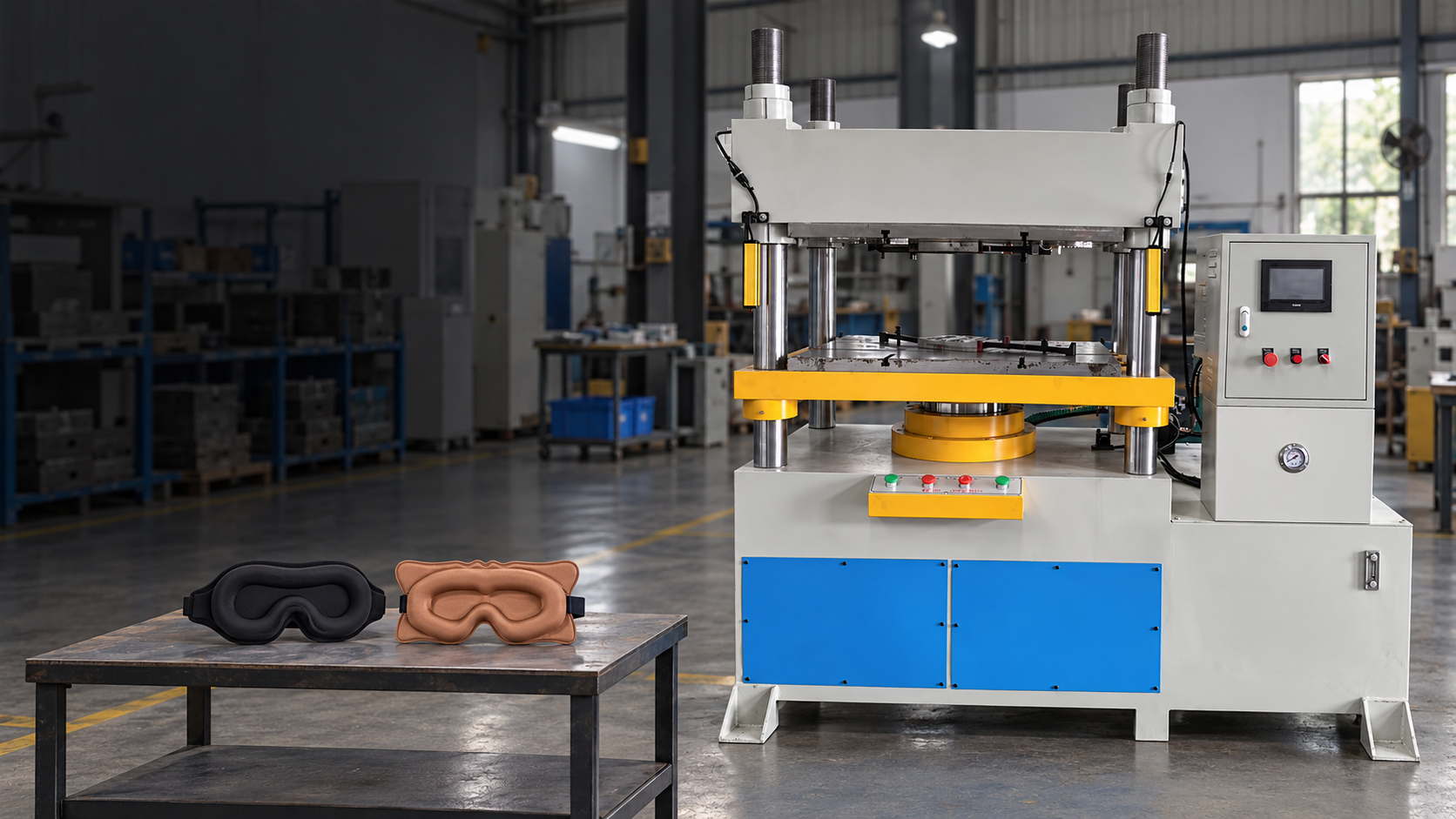
A heavy-duty four-column hydraulic hot press designed for forming, laminating and compression molding applications. The machine can be customized according to material, product size, forming temperature, pressure, stroke and…
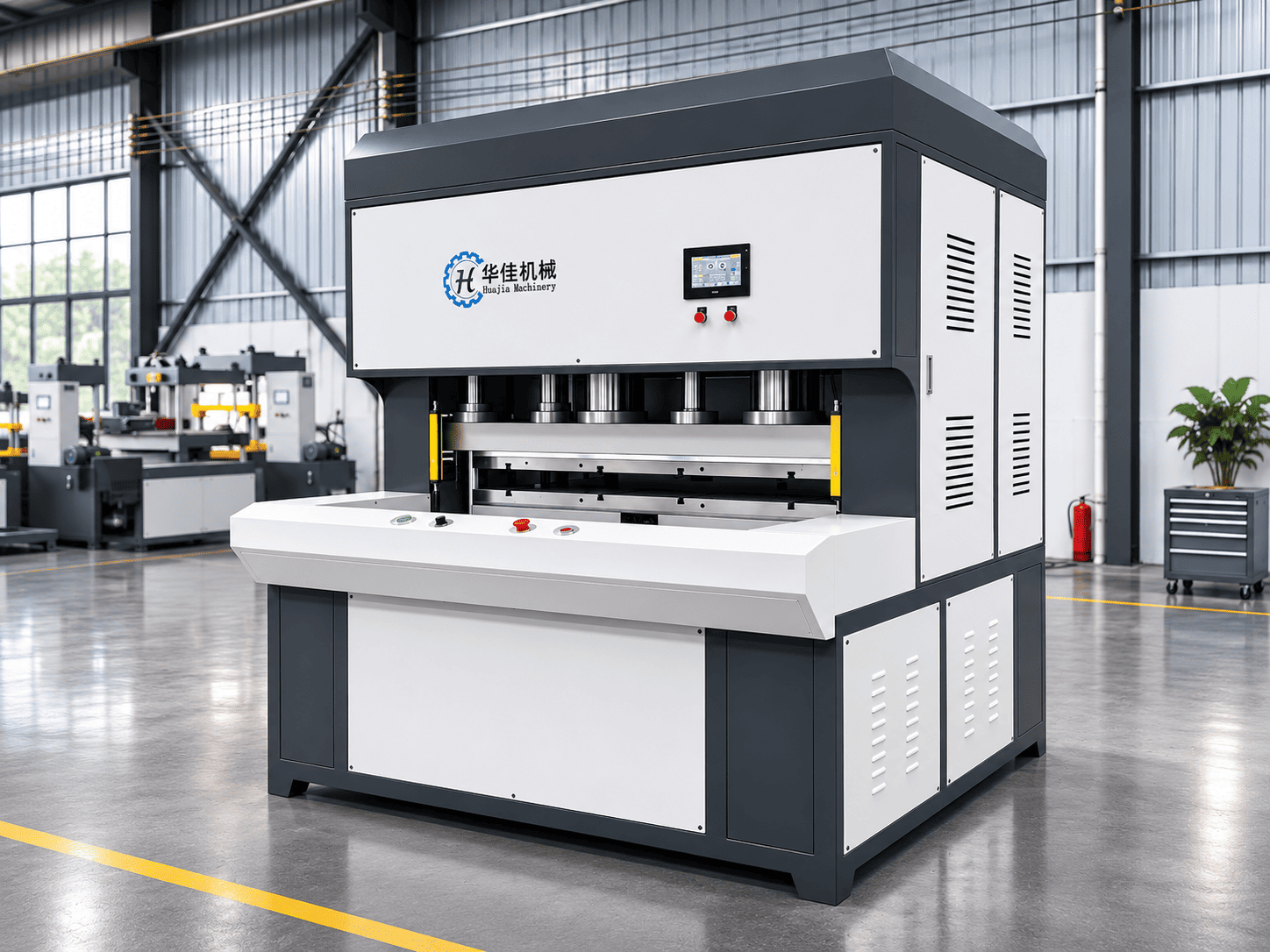
A custom-built carbon fiber hot press with three working layers and 1500 × 650 mm heated platens. Huajia configures the press around your part dimensions, mold, material and production…
View Equipment
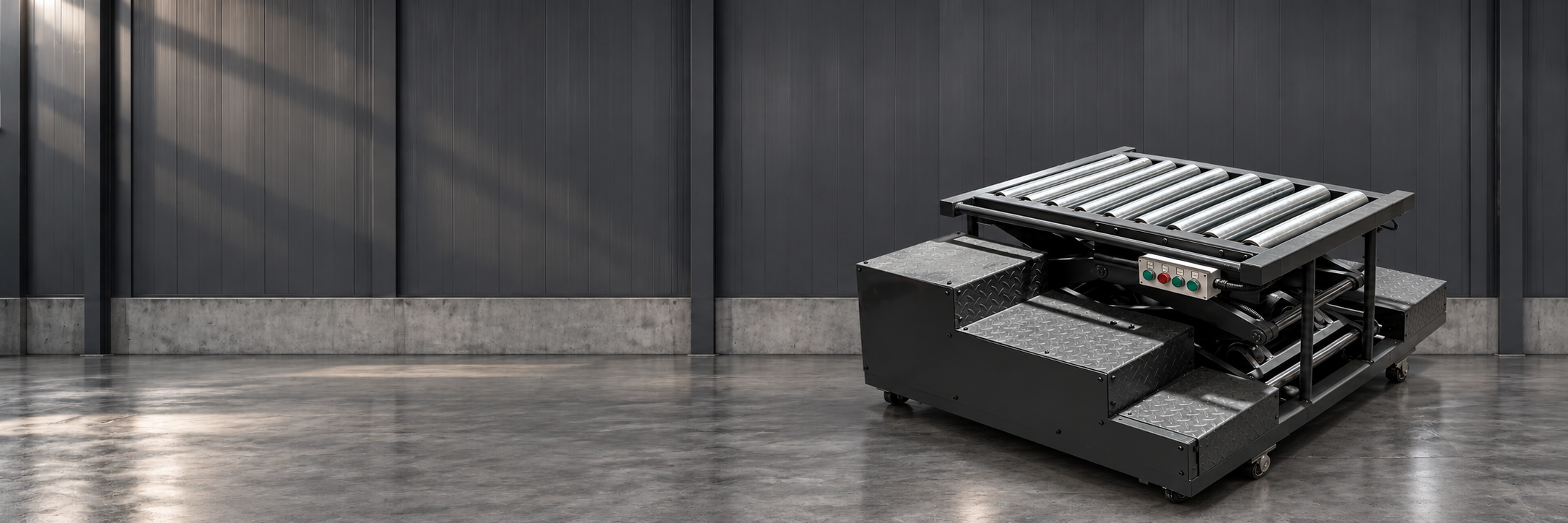
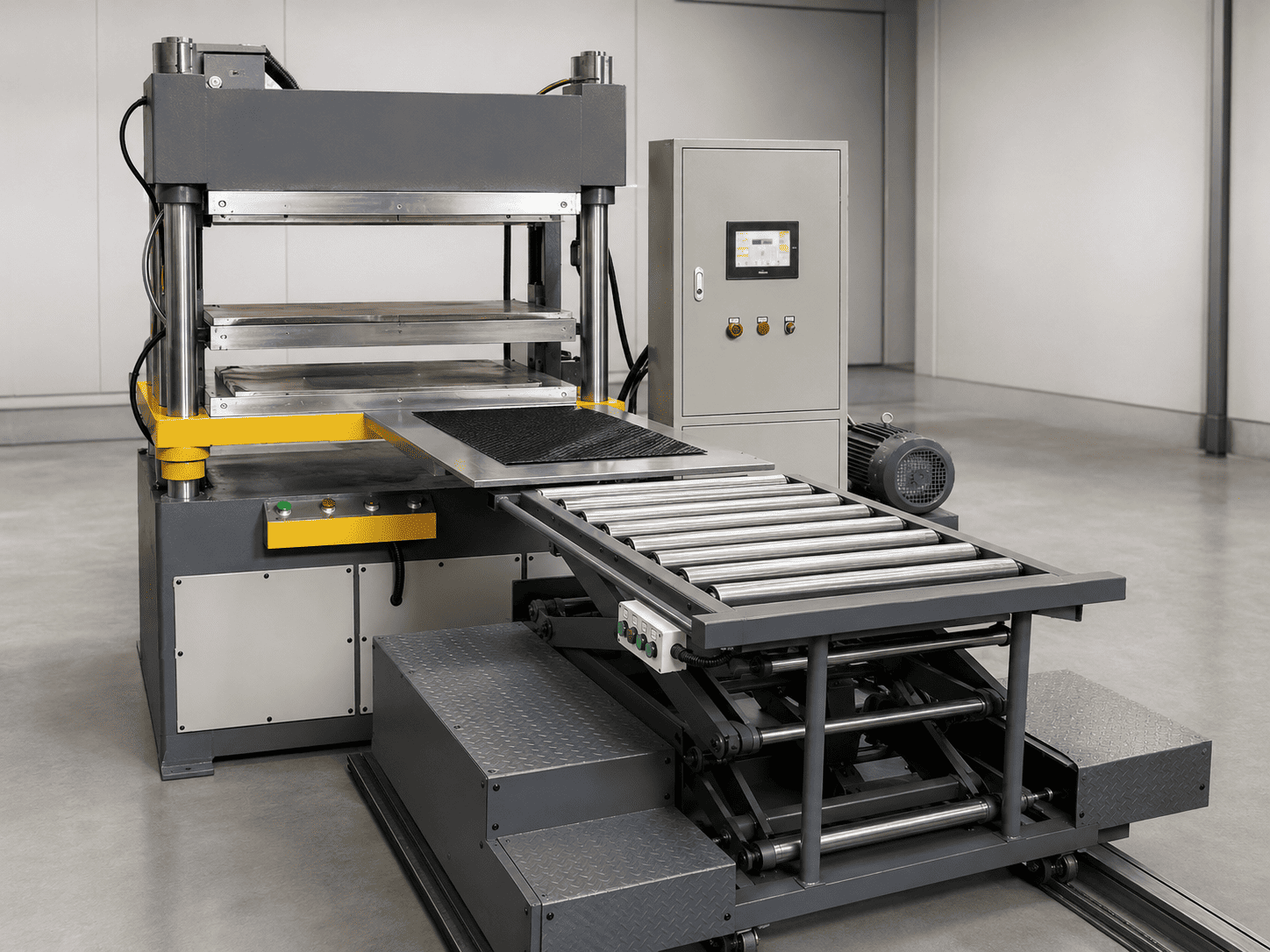
This 3-ton hydraulic roller lift table is designed to align with the two working levels of a carbon fiber hot press. It features a 600 × 900 mm non-powered…
View Equipment
The two-layer carbon fiber hot press is designed for forming and curing flat carbon fiber composite sheets from prepreg materials. Three heated platens create two working layers, allowing two…
View EquipmentExplore production-line configurations linked to this process, including forming and supporting equipment.
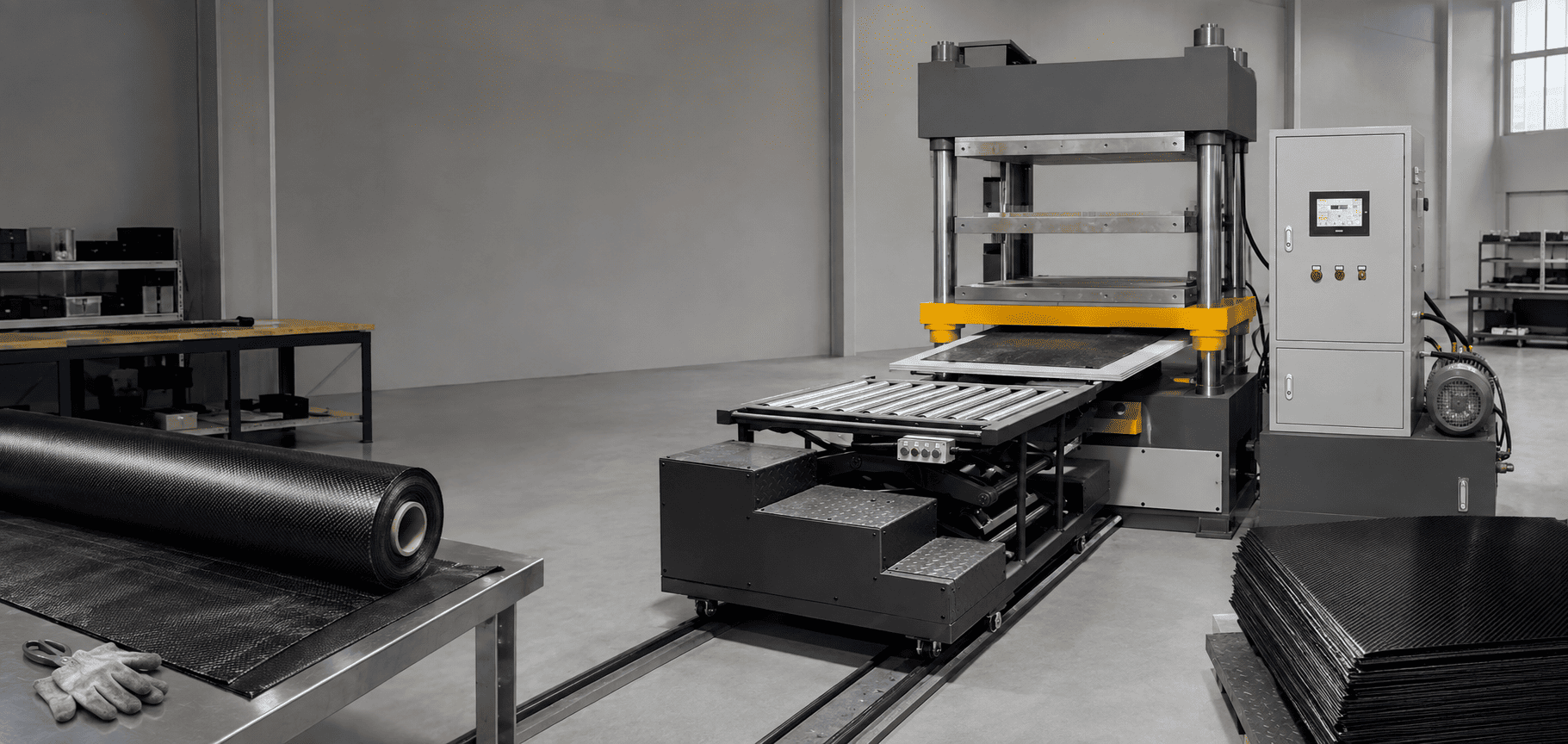
An integrated production line for carbon fiber prepreg layup, sheet handling, two-layer hot press forming, unloading, cooling, and inspection. The equipment configuration can be customized according to sheet dimensions,…
View Production LineExplore published process-based solutions connecting material requirements, tooling and equipment.
A customized hot press forming solution for producing flat carbon fiber sheets from prepreg, covering material preparation, handling, pressing, cooling, and inspection.
View SolutionReview real published customer projects assigned to this forming process.
Explore published technical guidance about forming parameters, materials and equipment selection.
# How Carbon Fiber Pickleball Paddle Are Made? A **carbon fiber pickleball paddle** requires more than bonding a carbon face to a lightweight core. If manufacturers overlook layup, resin…
Read Technical Article
Carbon fiber sheets from prepreg require much more control than simply placing stacked material inside a hot press. Poor layup, uneven pressure, or an unsuitable thermal cycle can lead…
Read Technical ArticleThese are actual images from published equipment, production line, solution and customer project records assigned to this process category.
Open each record to inspect its available photographs, equipment configuration and project information. The pictures are not presented as laboratory test results or production guarantees.
The engineering review connects material behavior, forming conditions, tooling, machine structure, production capacity and agreed verification requirements.
Understand compression, recovery, thermal response and how material properties affect forming.
Determine whether preheating, heating, cooling or separate processing stages are required.
Discuss applied force, pressure build-up, holding time and repeatability.
Review mold dimensions, working area, stroke, opening height and demolding.
Evaluate production volume, loading, transfer time and automation requirements.
Agree on process parameters, inspection methods and equipment testing requirements.
Send us the product drawing, material specifications, mold details and production output requirements.
We can discuss the forming process, press configuration and supporting equipment appropriate for your manufacturing application.