Inconsistent Sheet Thickness
Uneven pressure, unstable platen parallelism, or incorrect layup preparation can cause thickness variation across the finished carbon fiber sheet.
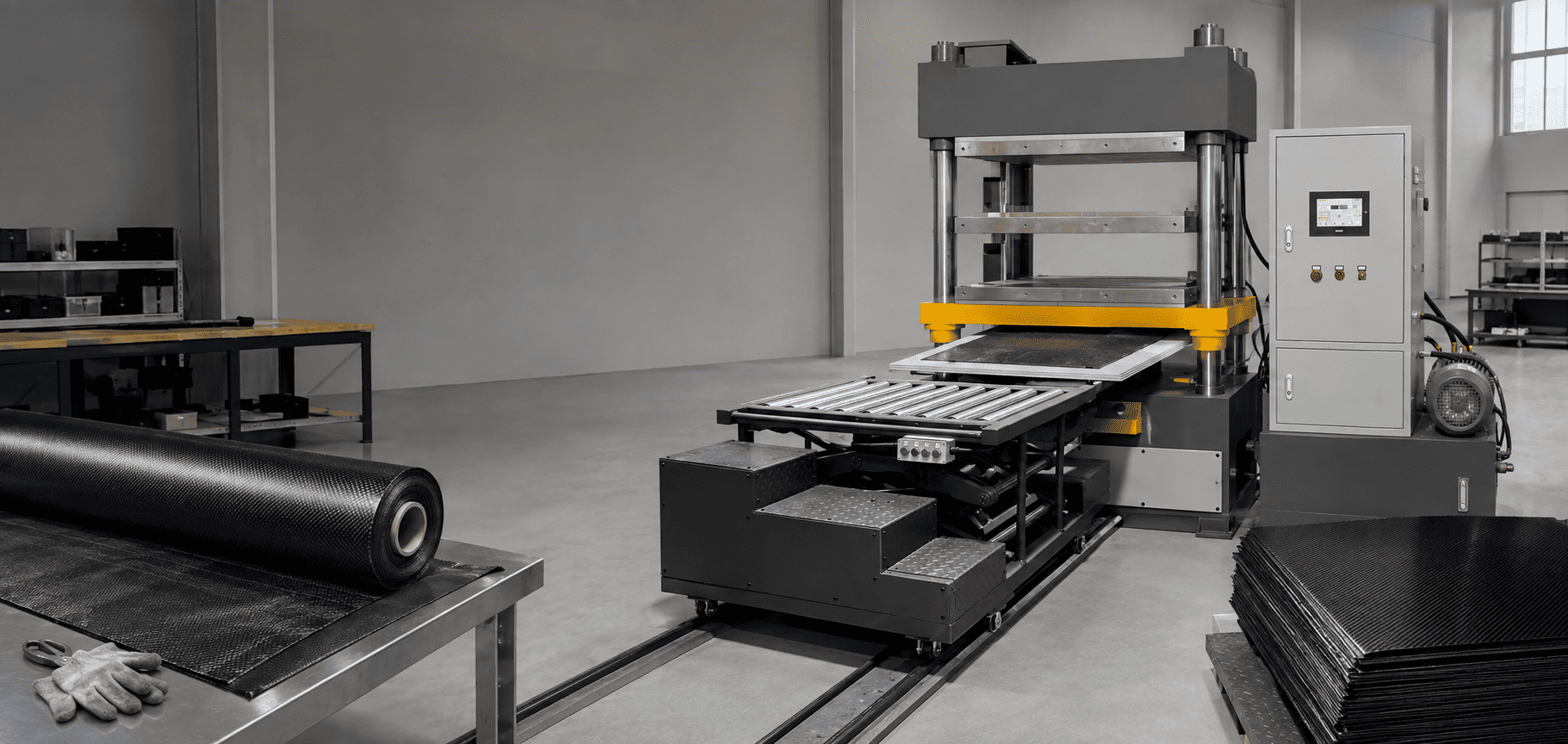
This solution is designed for manufacturing flat carbon fiber sheets from prepreg materials. It covers prepreg cutting and layup, separator plate preparation, material loading, controlled hot press forming, unloading, natural cooling, and finished sheet inspection.
Huajia configures the hot press, hydraulic roller lift table, process parameters, and production layout according to the customer’s sheet dimensions, thickness, prepreg system, production capacity, and workshop requirements.
This solution is designed for carbon fiber sheet manufacturers, composite material processors, sporting goods manufacturers, automotive component suppliers, electronics manufacturers, drone and robotics component manufacturers, and other companies that produce flat carbon fiber composite sheets from prepreg.
It is suitable for both new production projects and manufacturers upgrading existing equipment. Typical customers include factory owners, production managers, process engineers, equipment engineers, and purchasing managers who need customized hot press forming equipment, material handling systems, and complete carbon fiber sheet production solutions.
Uneven pressure, unstable platen parallelism, or incorrect layup preparation can cause thickness variation across the finished carbon fiber sheet.
Wrinkles, trapped air, resin marks, contamination, and improper separator materials may produce visible defects on the sheet surface.
Temperature differences across the heated platens can result in incomplete curing, excessive resin flow, or inconsistent sheet performance.
Heavy prepreg stacks and separator plates are difficult to align with different press levels, increasing labor intensity and handling risks.
Long forming cycles, manual material transfer, and inefficient workflow planning can limit daily production capacity.
Incorrect pressing force, platen size, opening height, temperature range, or control method may prevent the equipment from matching the customer’s prepreg process.
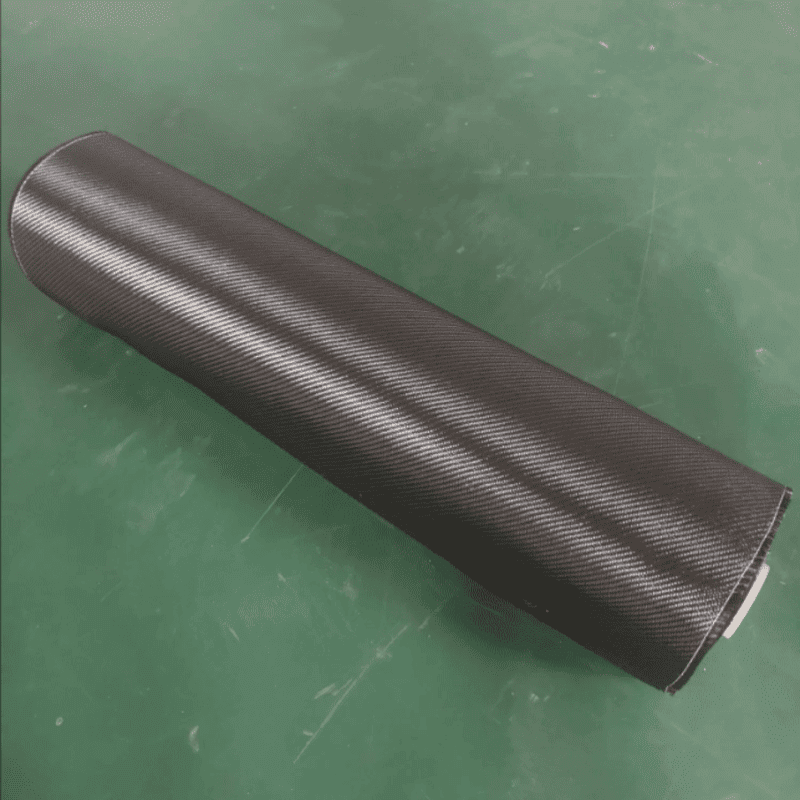
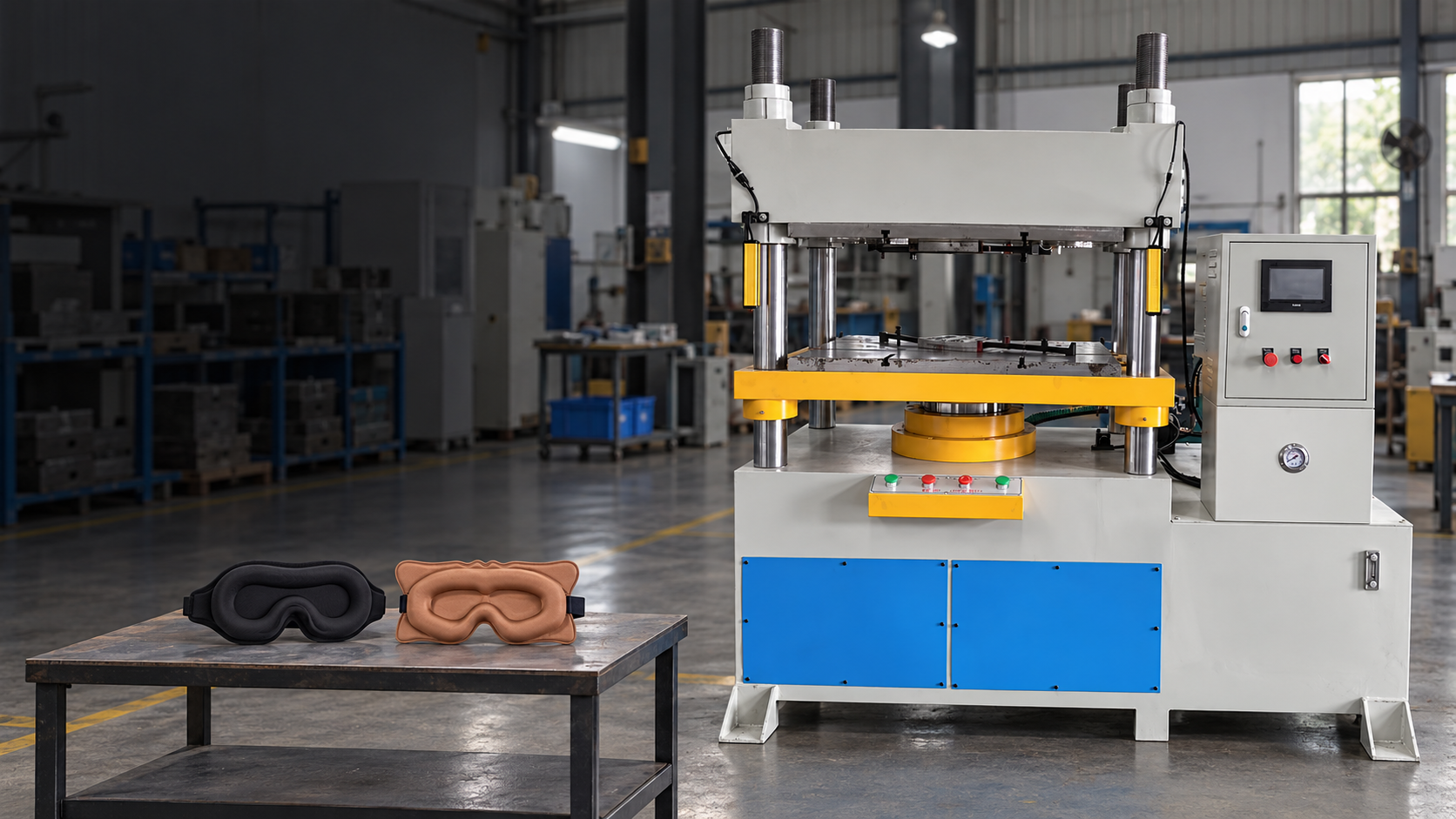
Explore the materials, finished products and forming processes connected with this solution.
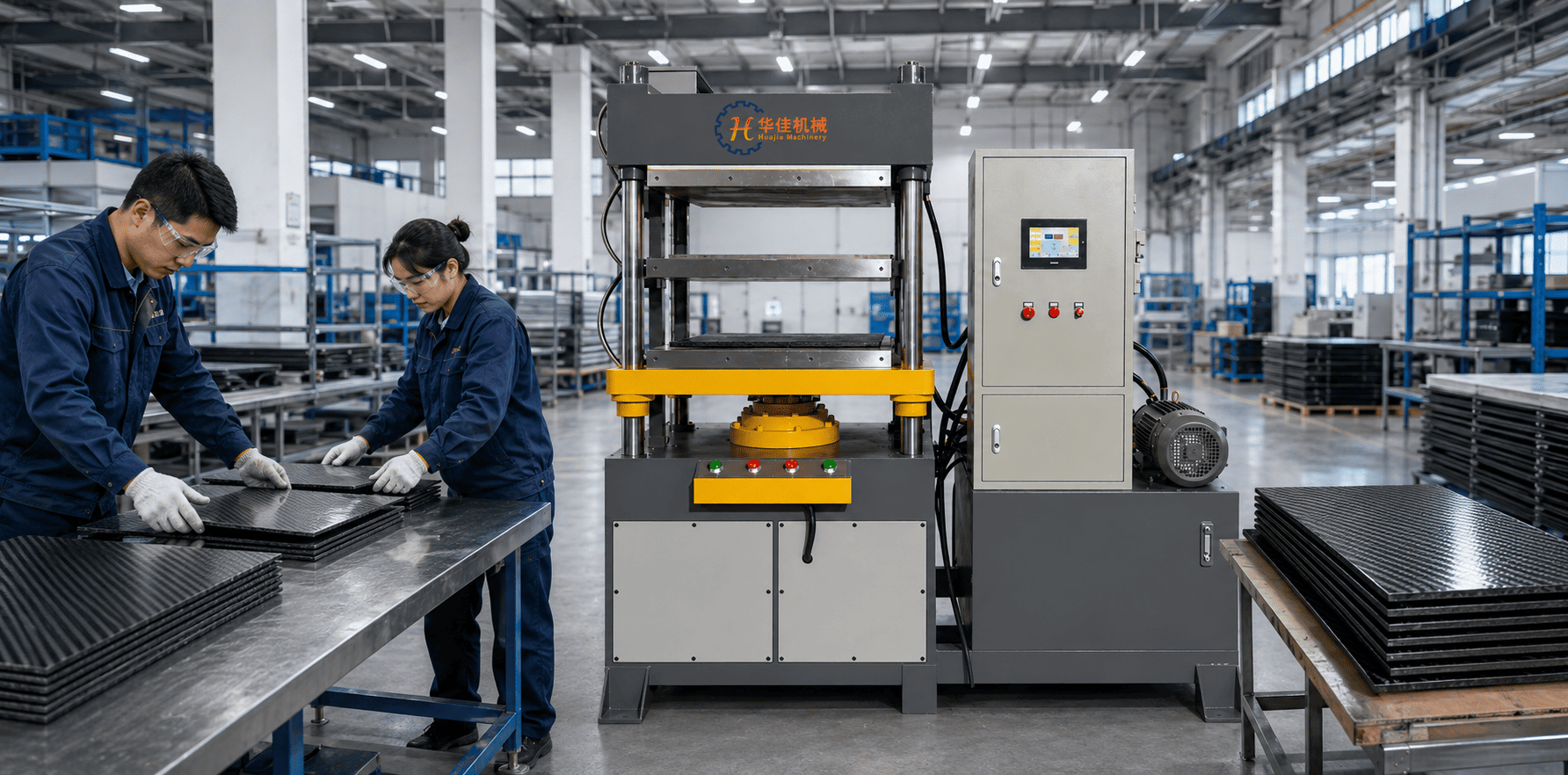
The carbon fiber sheet forming process includes prepreg cutting and layup, separator plate preparation, material loading, layer alignment, hot press forming, unloading, natural cooling, and quality inspection.
The temperature, pressure, and holding time are determined according to the prepreg resin system, sheet thickness, layup structure, and required product quality.
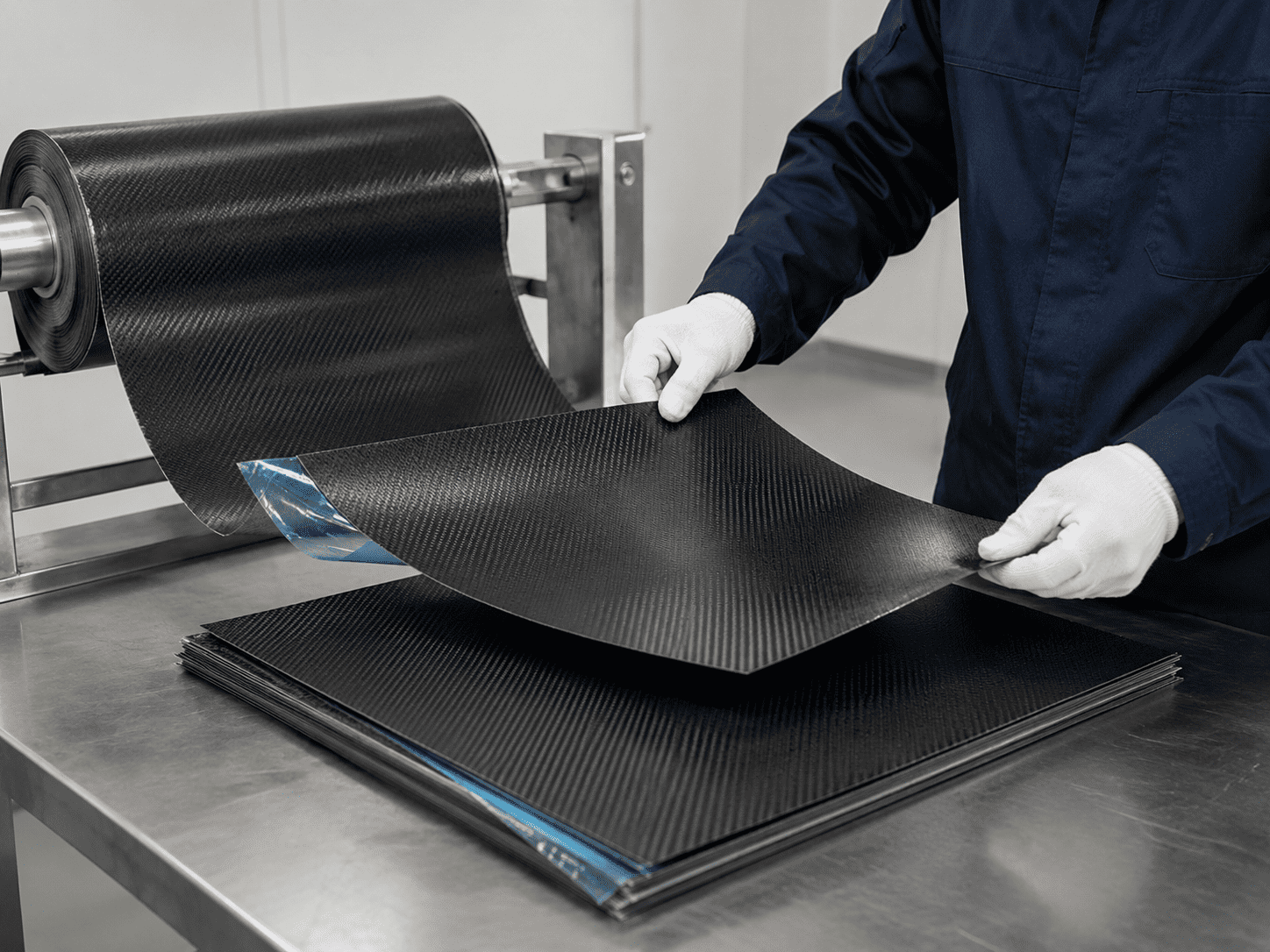
Cut the carbon fiber prepreg to the required dimensions and manually stack the plies according to the specified orientation, quantity, thickness, and layup structure.
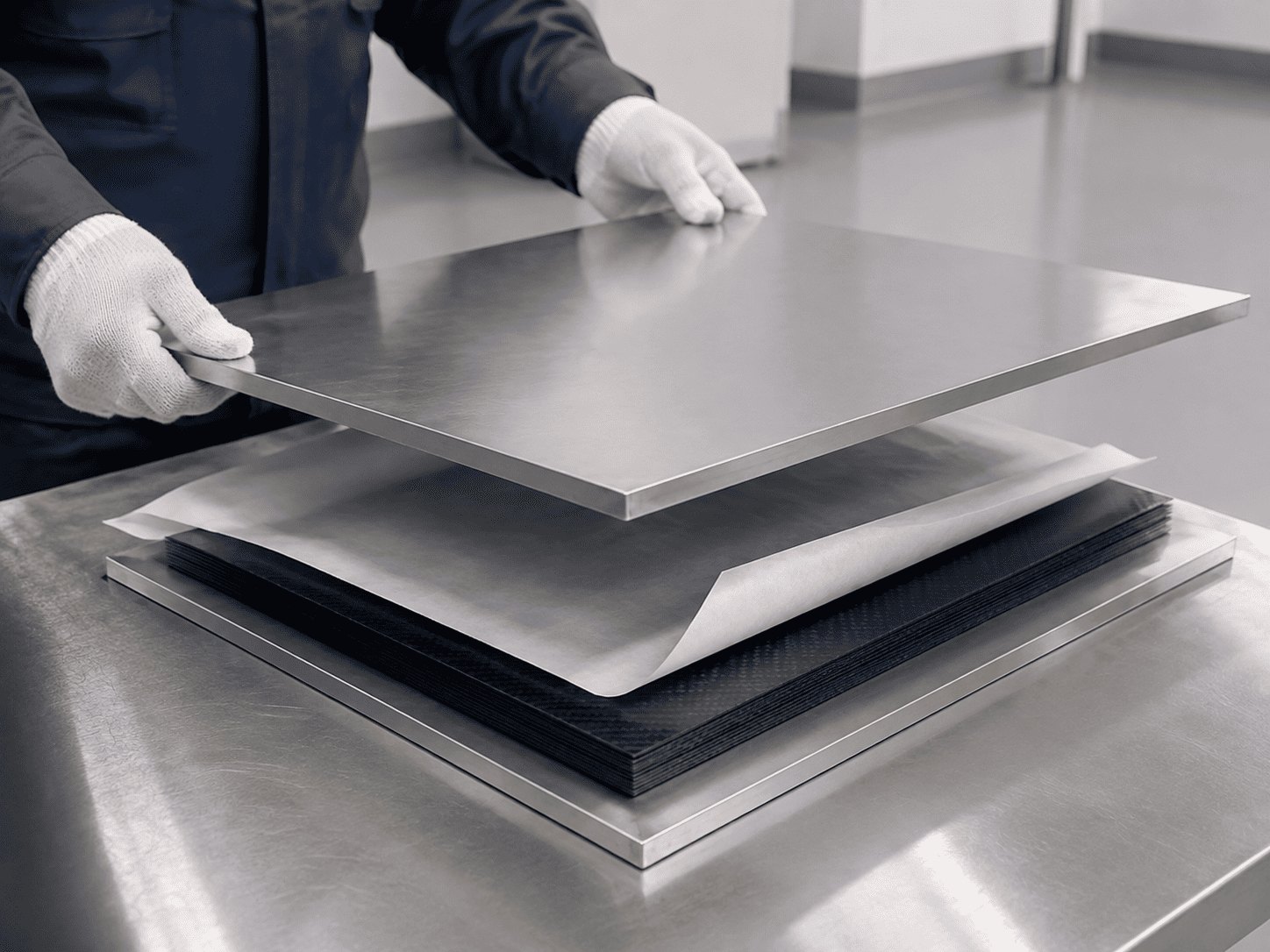
Wrap the completed prepreg layup with release film or release paper and position it between flat stainless-steel or tempered-glass separator plates.
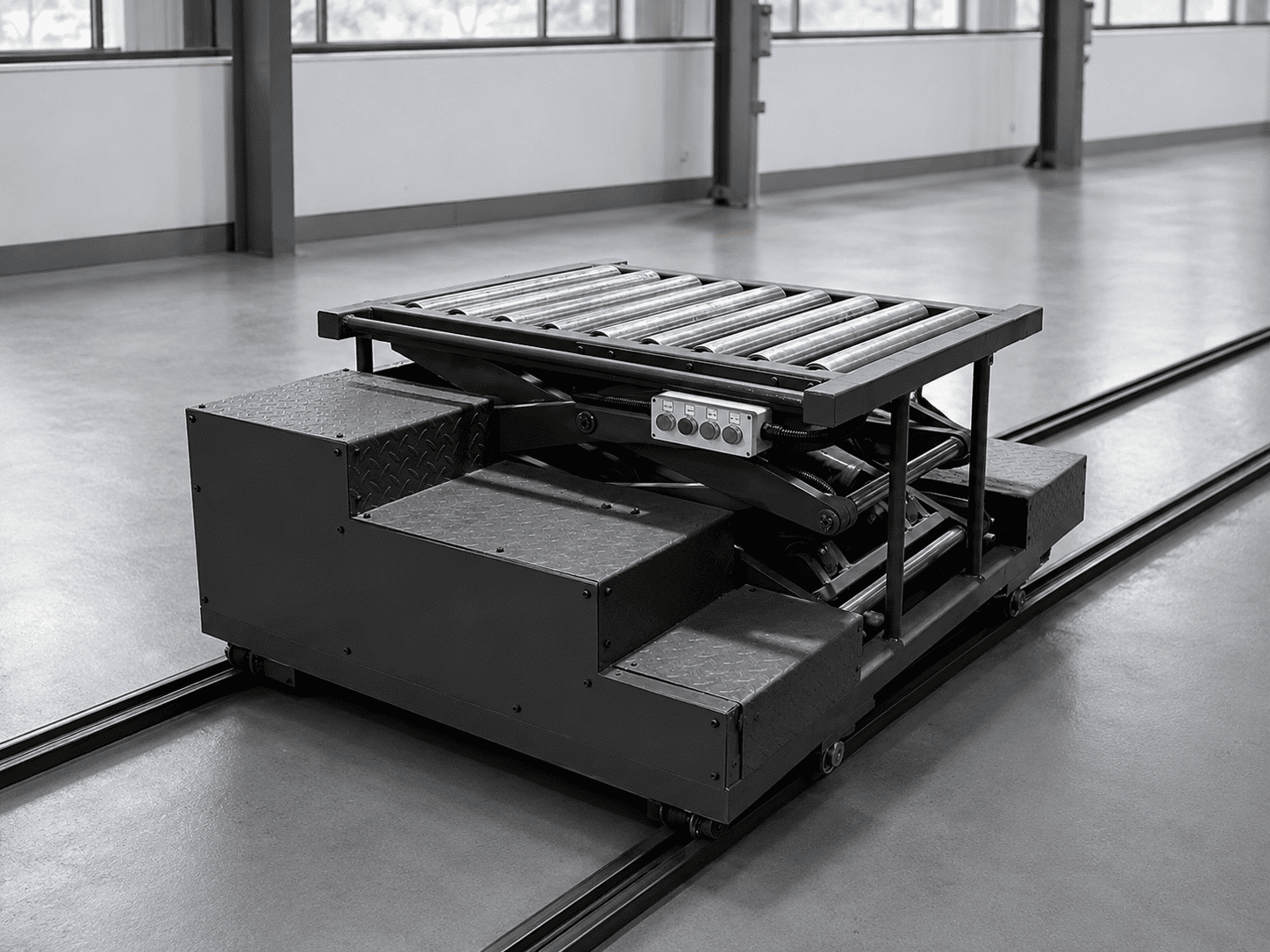
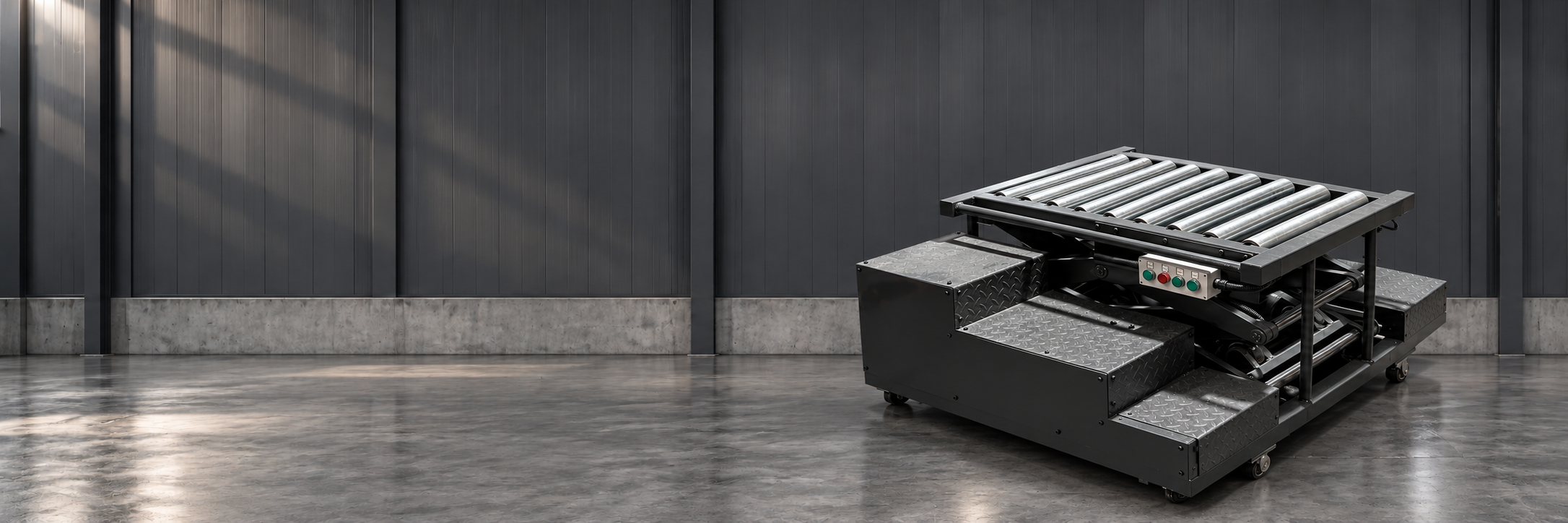
Place the prepared prepreg layup and separator plates onto the non-powered roller tabletop of the hydraulic lift table.
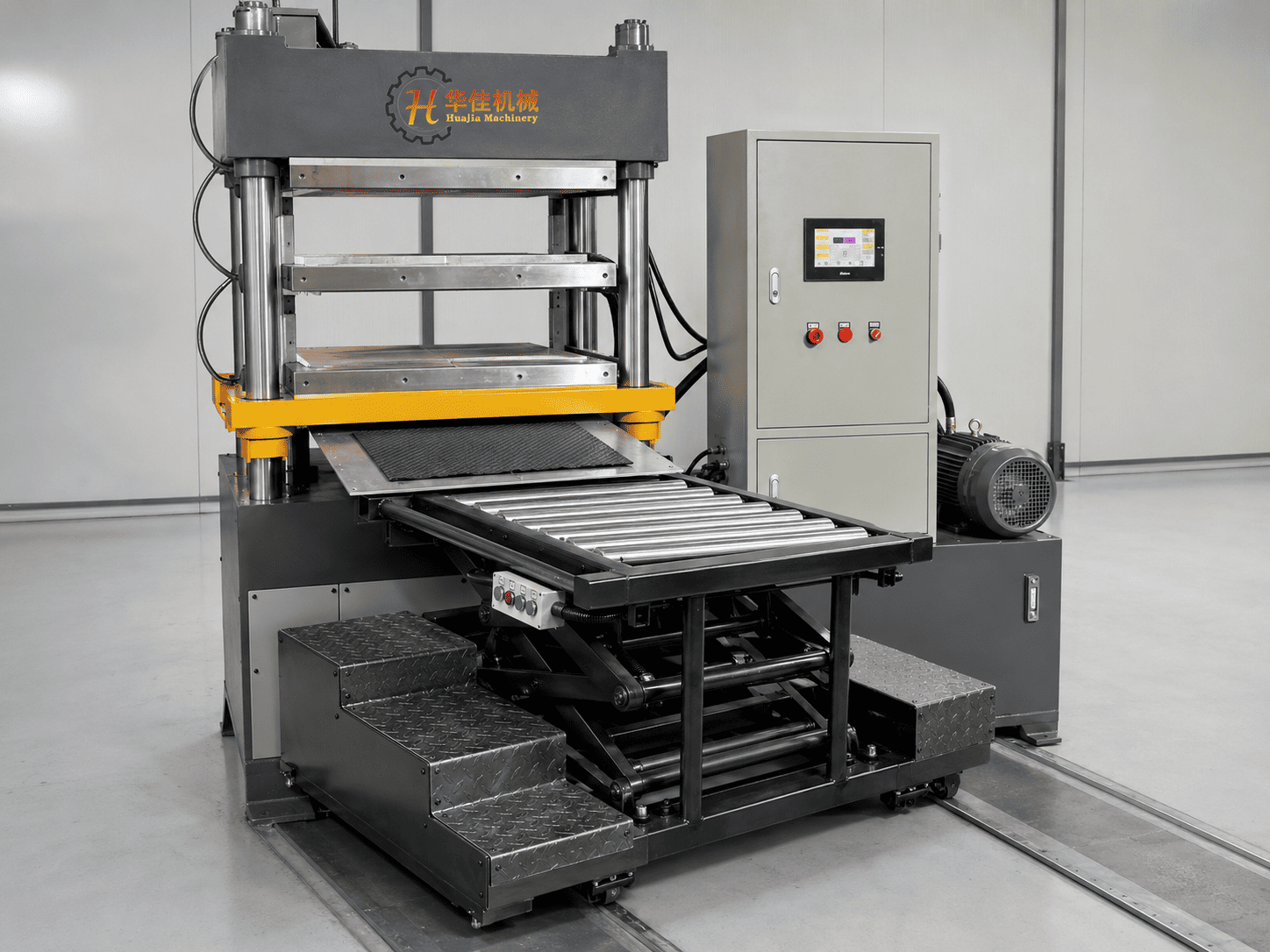
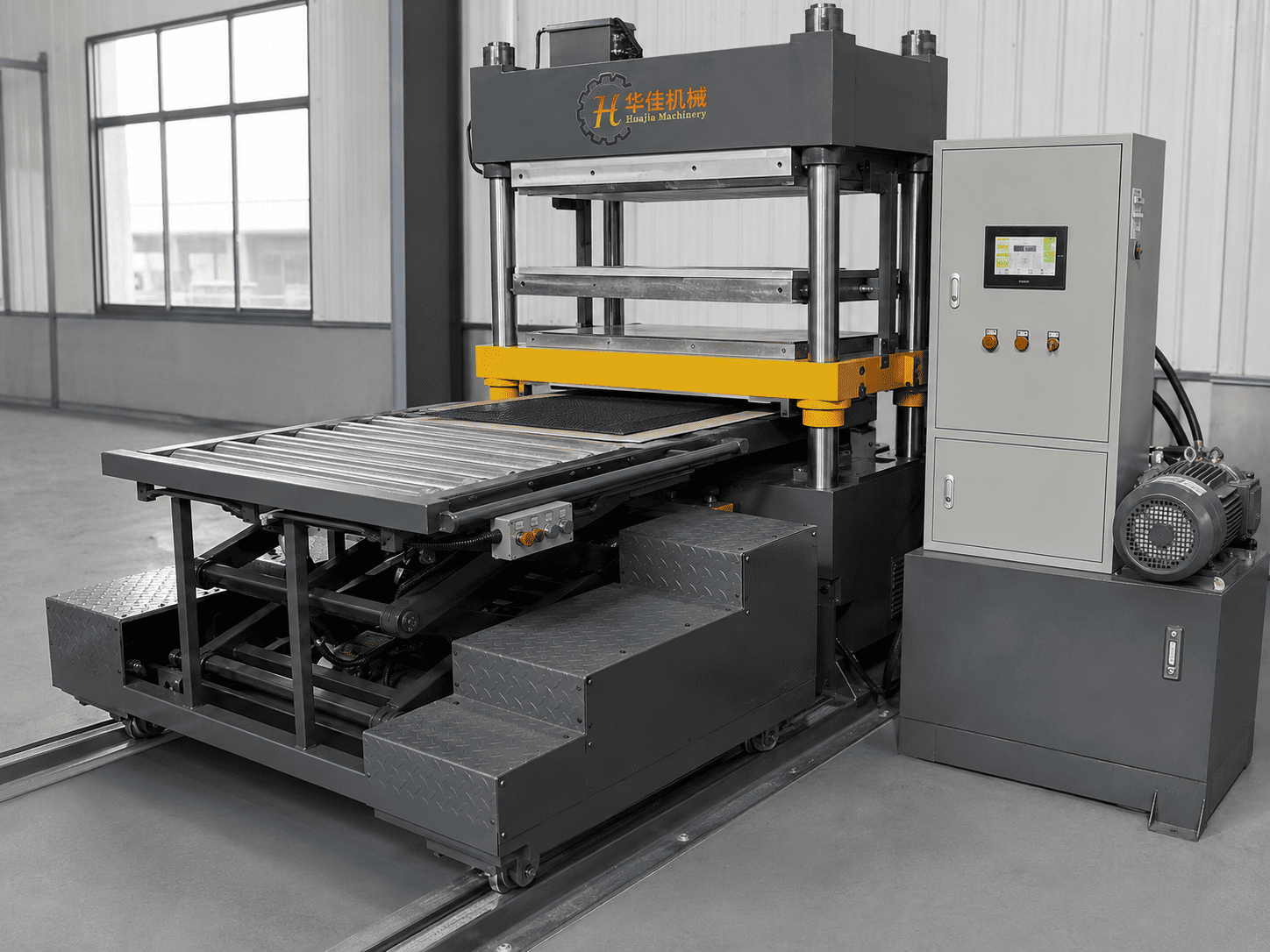
Move the lift table along the floor rails and adjust its height to align with the selected working layer. Manually push the separator plates and prepreg layup into the hot press.
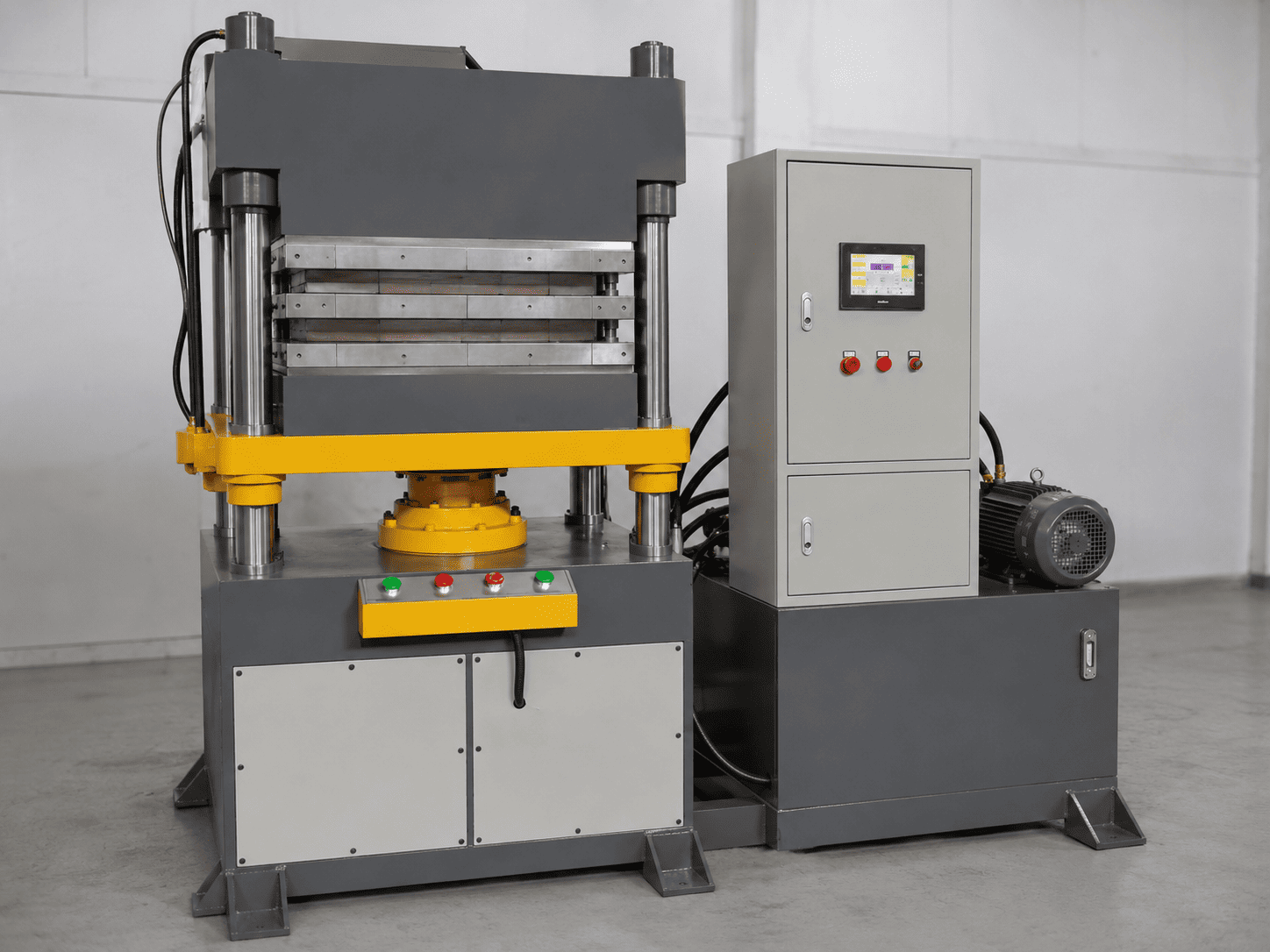
Close the hot press and apply the preset temperature, hydraulic pressure, and holding time to consolidate and cure the carbon fiber prepreg.
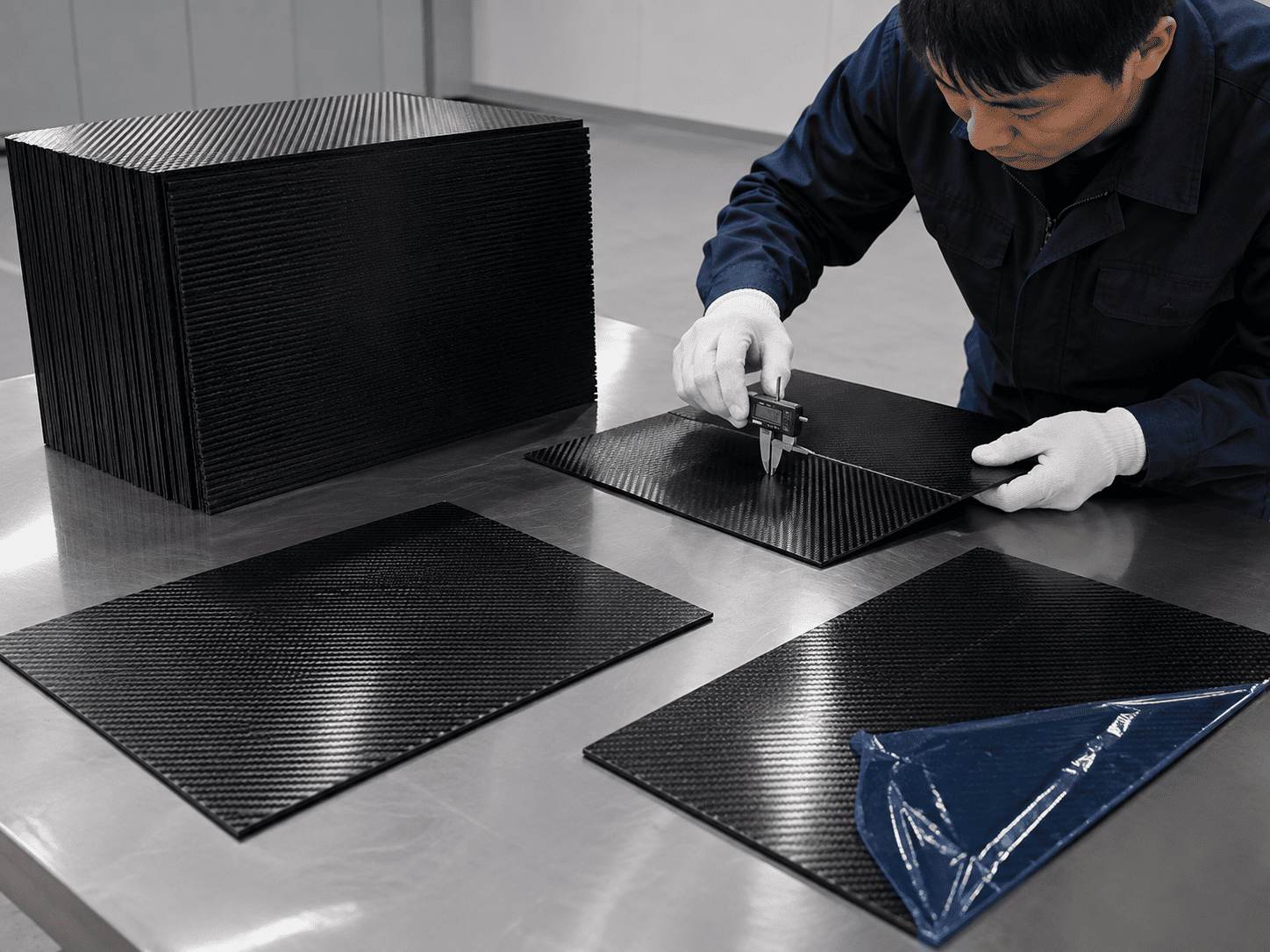
After the forming cycle, use the lift table to remove the separator plates and formed sheets. Allow the sheets to cool naturally before checking their dimensions, thickness, flatness, and surface quality.
Equipment configured based on material properties, product requirements and production capacity.
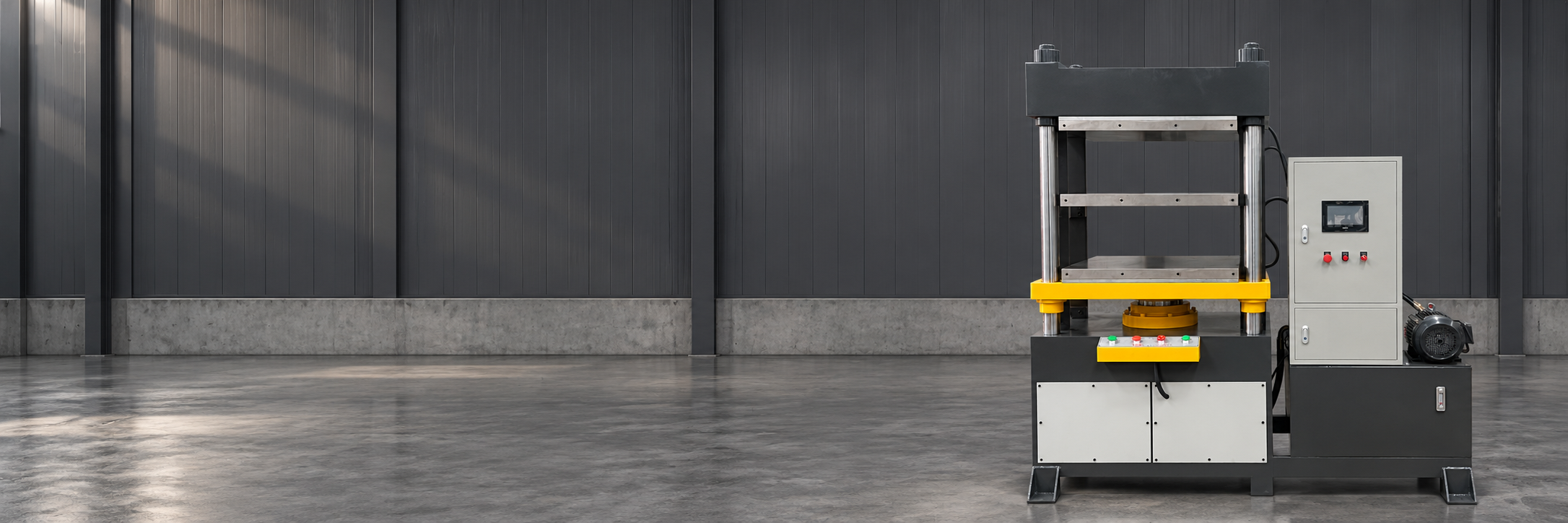
Covers prepreg layup, separator plate preparation, material handling, hot press forming, unloading, cooling, and inspection in one coordinated solution.
The two-layer hot press can form two groups of carbon fiber prepreg sheets during one production cycle, helping improve production efficiency.
Uniform platen heating, controlled hydraulic pressure, and adjustable holding time help improve sheet flatness, thickness consistency, curing quality, and batch repeatability.
The hydraulic roller lift table aligns with both press working layers, reducing the difficulty of loading and unloading heavy separator plates and material stacks.
Pressing force, temperature, pressure, holding time, platen size, and material-handling configuration are selected according to the customer’s prepreg and product requirements.
Equipment quantity, rail direction, preparation area, loading area, cooling area, inspection station, control system, and power supply can be customized for the customer’s workshop.
Tell us your carbon fiber sheet dimensions, thickness, prepreg type, layup structure, forming temperature, pressure requirements, production capacity, workshop layout, and local power supply.
Our engineering team will recommend the appropriate hot press, material handling equipment, process configuration, and production layout for your project.