
01. Stable Hydraulic Pressure
Provides controlled and consistent pressing force throughout the forming cycle, helping improve product shape consistency and molding quality.
This hydraulic cold press forming machine is designed for the compression molding and shaping of EVA foam, XPE foam, PET polyester felt, sponge and other thermoformable materials. Equipped with aluminum working plates and a circulating water cooling system, it helps achieve stable pressure, consistent cooling and reliable product forming. Pressing force, working table size, stroke, opening height, control system and machine configuration can be customized according to your product, mold and production requirements.
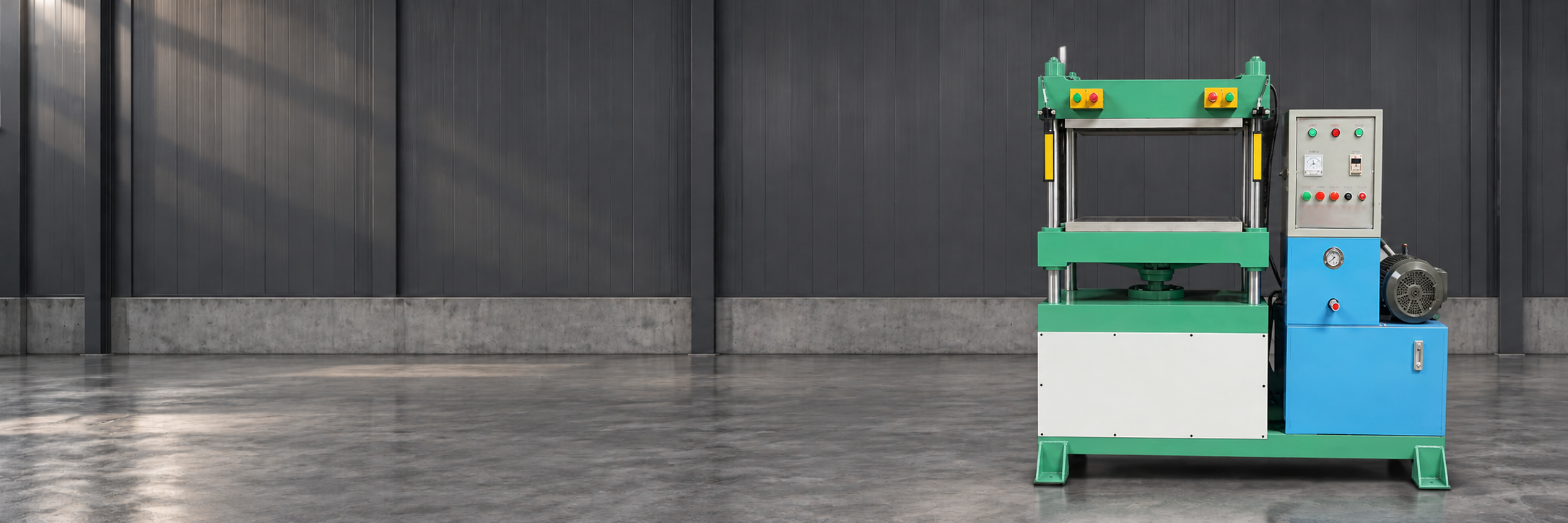
The Huajia Hydraulic Cold Press Forming Machine is a customizable industrial forming solution designed for manufacturers producing molded foam, felt and other thermoformable products.
During the forming process, preheated materials are transferred into a forming mold and compressed under controlled hydraulic pressure. The circulating water cooling system helps remove heat from the mold, allowing the material to cool and retain its required shape before demolding.
The machine features a rigid four-column structure, aluminum working plates, adjustable pressing pressure and controllable forming time. Its straightforward operating system makes it suitable for a wide range of industrial production applications.
Typical applications include EVA protective cases, digital device cases, school bag shells, protective pads, footwear components, PET felt storage boxes, automotive interior components and XPE molded products.
Rather than offering only fixed machine specifications, Huajia designs hydraulic cold press forming machines according to the customer's material characteristics, product dimensions, mold structure, forming process and production capacity.
Standalone industrial ovens, industrial water chillers and other auxiliary equipment can also be supplied according to the actual production process, helping manufacturers establish a complete forming production solution.
Reference values for the displayed configuration. Final values require project confirmation.
| Nominal Pressing Force | 30 T |
|---|---|
| Working Table Size | 600 × 700 mm |
| Cylinder Stroke | 400 mm |
| Maximum Opening Height | 380 mm |
| PMachine Structure | Four-Column Structure |
| Power Supply | 380 V / 50 Hz |
| Driving System | Hydraulic Drive |
| Motor Type | Standard Motor |
| Control System | Relay and Push-Button Control |
| Working Table Material | Aluminum |
| Cooling Method | Circulating Water Cooling |
| Pressing Pressure | Adjustable |
| Forming Time | Adjustable |
| Forming Method | Cold Compression Molding |
| External Water Chiller | Optional |
| Industrial Oven | Optional |
| Customization | Available |
Provides controlled and consistent pressing force throughout the forming cycle, helping improve product shape consistency and molding quality.
Aluminum working plates with circulating water channels help transfer heat away from the mold and support efficient product cooling.
The robust machine frame and four-column guiding structure provide stable platen movement and structural support during compression molding.
Pressing pressure and forming time can be adjusted according to different materials, mold designs and product requirements.
Relay and push-button controls provide straightforward machine operation, convenient maintenance and practical daily production management.
Suitable for compression molding and shaping a wide range of EVA, XPE, PET felt, sponge and other compatible thermoformable materials.
The rigid machine frame provides structural support during hydraulic pressing, helping maintain machine stability and reliable performance during repeated forming cycles.
Four precision guide columns support stable movement of the working platen and help maintain alignment during the pressing and opening process.
The hydraulic cylinder generates the required pressing force and drives the working platen during compression molding.
Aluminum working plates provide effective heat transfer between the forming mold and the circulating cooling water, supporting consistent cooling during the molding process.
Internal cooling channels allow water to circulate through the aluminum plates. An external industrial water chiller can be connected when controlled cooling water temperature is required.
The hydraulic power system consists of the motor, hydraulic pump, oil tank and control valves, supplying hydraulic power for machine operation and pressure control.
The relay-based electrical control system and push-button operating panel manage machine movement, forming time and operating functions.
The working area accommodates customized forming molds. Working table dimensions and opening height can be designed according to mold size and product geometry.
The hydraulic cold press forming machine is widely used for compression molding and shaping preheated EVA foam, XPE foam, PET polyester felt, sponge and other compatible thermoformable materials.
Typical applications include protective packaging, digital device carrying cases, school bag shells, storage boxes, eyewear cases, sports protective equipment, footwear components, motorcycle seat pads, automotive interior components and various customized molded products.
By combining controlled hydraulic pressure with circulating water cooling, the machine helps maintain the required product shape during the cooling and forming process.
Different products require different pressing forces, mold dimensions, preheating temperatures and forming times. Huajia provides customized machine configurations according to these requirements, helping customers select suitable equipment for their specific production applications.
Select suitable EVA, XPE, PET felt or other compatible materials according to the required product thickness, density and performance.
Cut the raw material into the required dimensions according to the mold size and finished product design.
Heat the prepared material in a separate industrial oven to the appropriate forming temperature according to its material characteristics.
Transfer the preheated material into the forming mold and position it correctly before starting the pressing cycle.
Apply the required hydraulic pressure to compress the heated material into the desired product shape.
Maintain the required pressure for the specified forming time while circulating cooling water through the aluminum plates to remove heat from the mold.
Release the pressure, open the mold and carefully remove the formed product after sufficient cooling.
Trim excess material when required and inspect product dimensions, surface appearance and forming quality.
Engineering feasibility and final configuration will be confirmed in the quotation.
Our engineering team evaluates the customer's product, material, mold dimensions, forming pressure and production requirements to develop a suitable machine configuration.
The machine frame is fabricated according to the confirmed engineering drawings and structural requirements.
Key mechanical components are processed according to engineering specifications and inspected before machine assembly.
The machine frame, guide columns, hydraulic cylinder, working plates and other mechanical components are assembled and aligned.
The hydraulic power unit, control valves, pipelines and cooling water connections are installed according to the machine design.
Electrical components, operating controls and configured protection functions are installed and connected for machine operation.
Machine movement, hydraulic pressure, forming time, cooling water connections and configured safety functions are checked before delivery.
After final inspection, the machine is prepared for transportation using suitable protective packaging. Export wooden case packaging is available for overseas shipments.
The machine is suitable for EVA foam, XPE foam, PET polyester felt, sponge and other compatible thermoformable materials. The appropriate machine configuration and forming process depend on the material properties and finished product requirements.
No. The material is normally preheated in a separate industrial oven before being transferred into the forming mold. The cold press provides hydraulic pressure and cooling to shape the material.
An industrial water chiller is recommended when controlled cooling water temperature is required. The appropriate cooling capacity depends on the mold size, material temperature, production cycle and heat load.
Pressing force should be determined according to the product's projected forming area, material characteristics, mold structure and required forming pressure. Huajia can recommend a suitable machine configuration after reviewing your product information.
Yes. Working table dimensions, cylinder stroke and maximum opening height can be customized according to the mold size, product geometry and loading requirements.
Yes. Pressing pressure and forming time can be adjusted according to different materials, mold designs and forming processes.
Yes. Standard hydraulic systems, servo hydraulic systems and PLC touchscreen controls can be configured according to the customer's production and control requirements.
The production cycle depends on material type, thickness, preheating temperature, mold design, pressing time and cooling conditions. Actual cycle times should be determined according to the specific forming process.
Yes. Huajia can supply hydraulic cold presses, industrial ovens, industrial water chillers, material cutting equipment and customized automation solutions according to the customer's production requirements.
Please provide your product photos or drawings, material type, product dimensions, thickness, mold dimensions if available, expected production capacity and any special forming requirements. Our engineering team can recommend a suitable machine configuration based on this information.
Whether you are starting a new production project, upgrading existing equipment or developing a new molded product, Huajia can help you select and customize a suitable hydraulic cold press forming solution. Send us your product drawings, photos, material specifications, mold dimensions and expected production capacity. Our engineering team will recommend a machine configuration based on your actual forming requirements.