
01
Material Behavior
Flow, curing, rebound, compression and thermal response determine how the process must be controlled.
Start from the manufacturing process, then match the material behavior, pressure, temperature, tooling and equipment configuration required for stable production.
Compare hot pressing, cold forming, hot-and-cold forming, compacting, press fitting, stamping, deep drawing and other manufacturing methods.
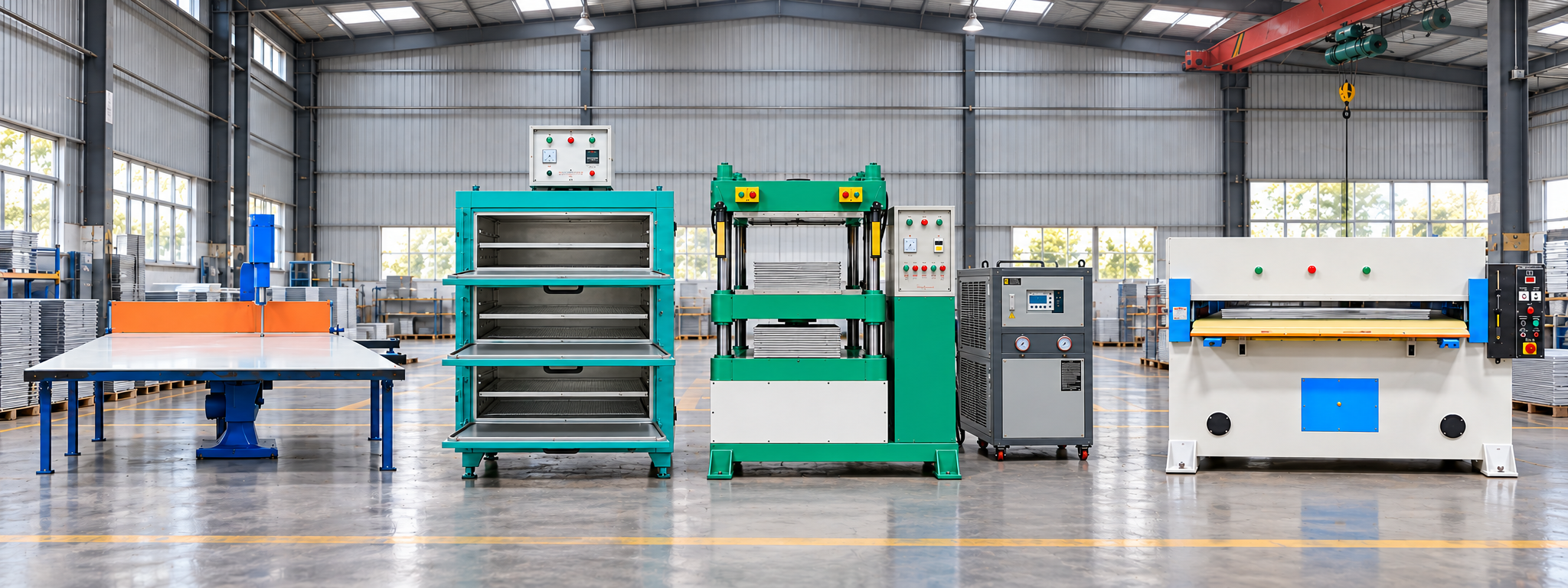
Cold press forming is a process in which materials are first heated thoroughly in an industrial oven, then transferred to a water-cooled hydraulic cold…
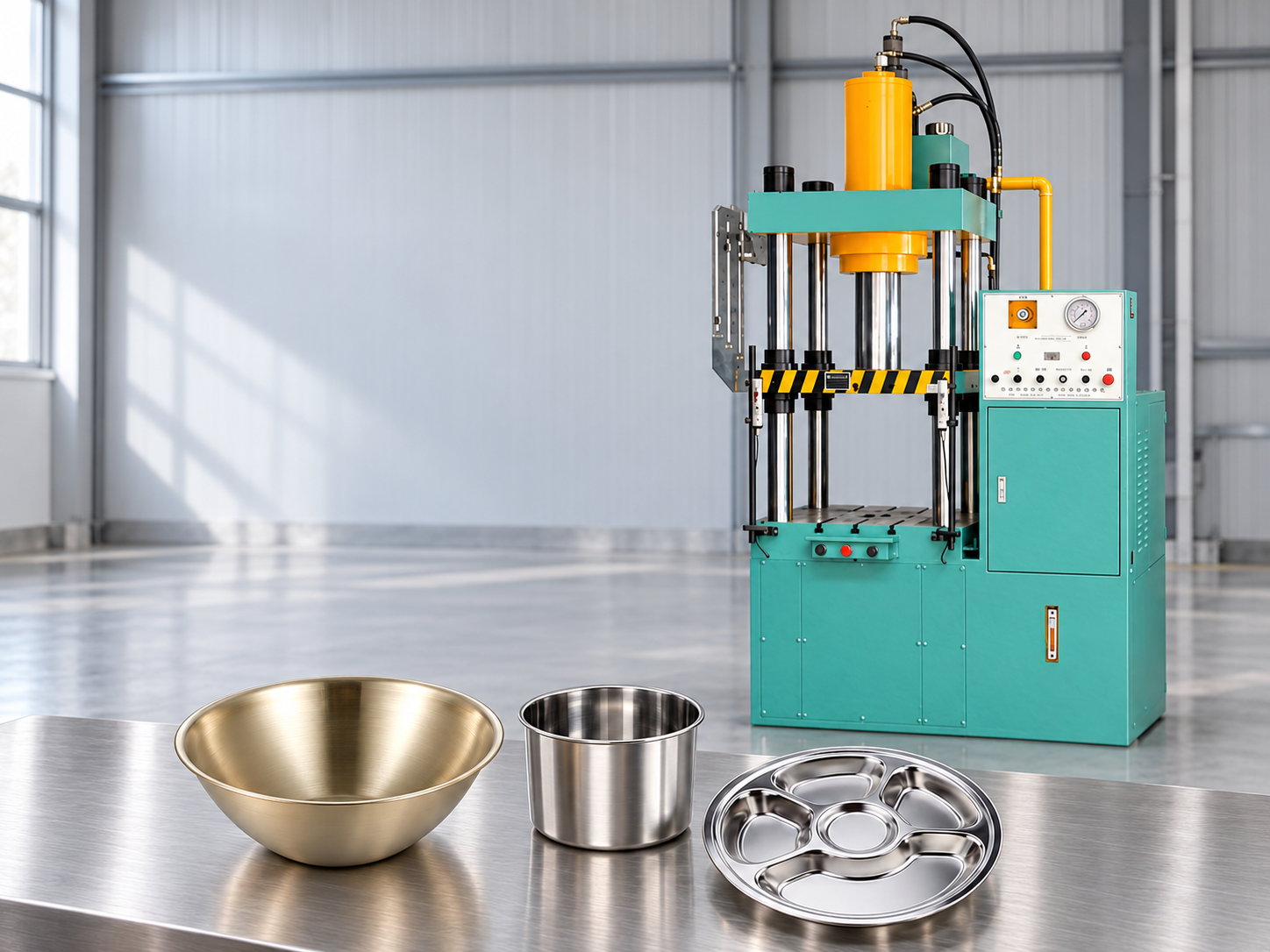
Deep drawing uses a press and matched tooling to form sheet metal blanks into hollow parts such as cups, housings and containers.
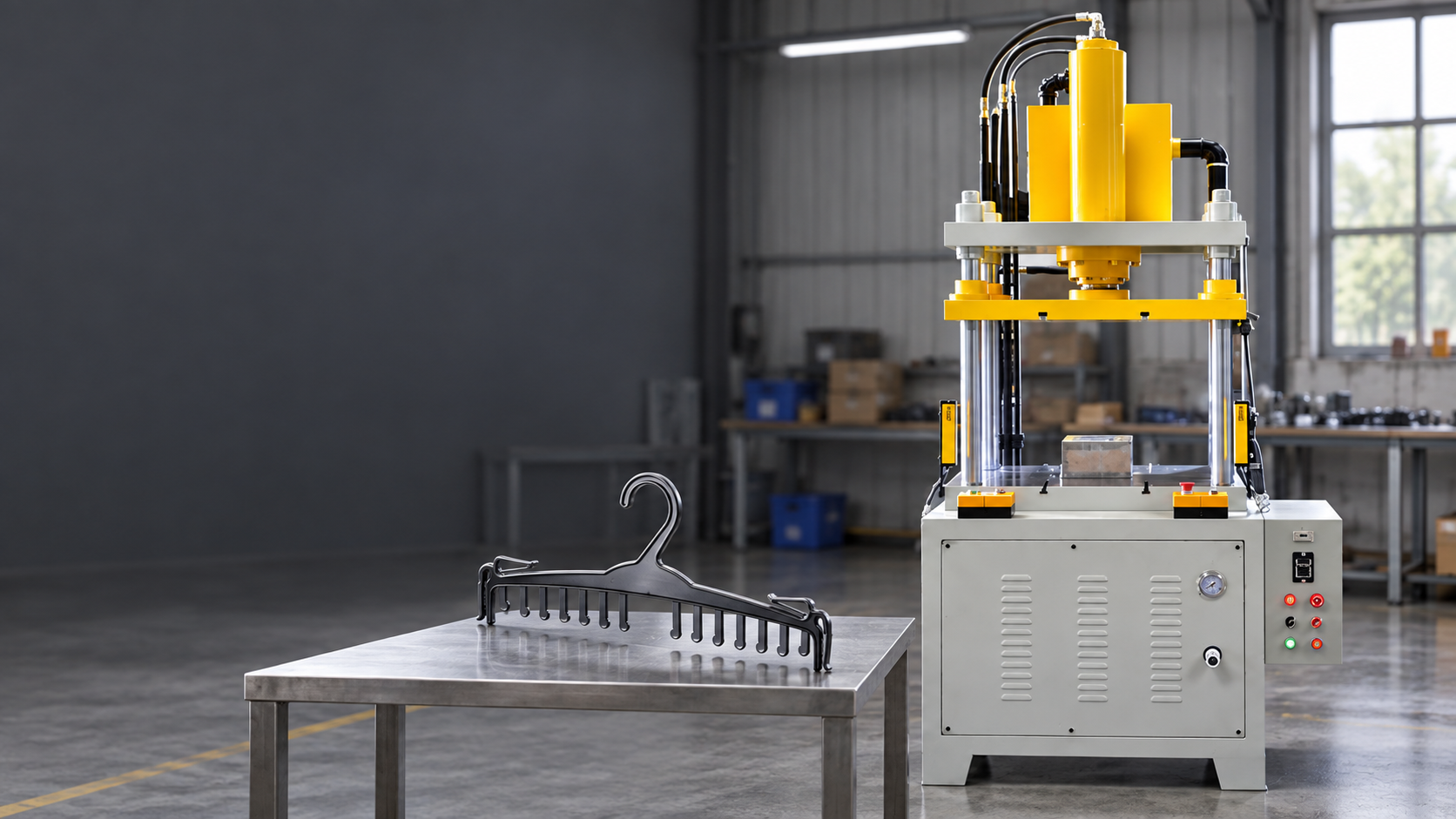
Gate trimming is a finishing process that uses a hydraulic press and trimming die to remove gates, flash and excess material from molded parts,…
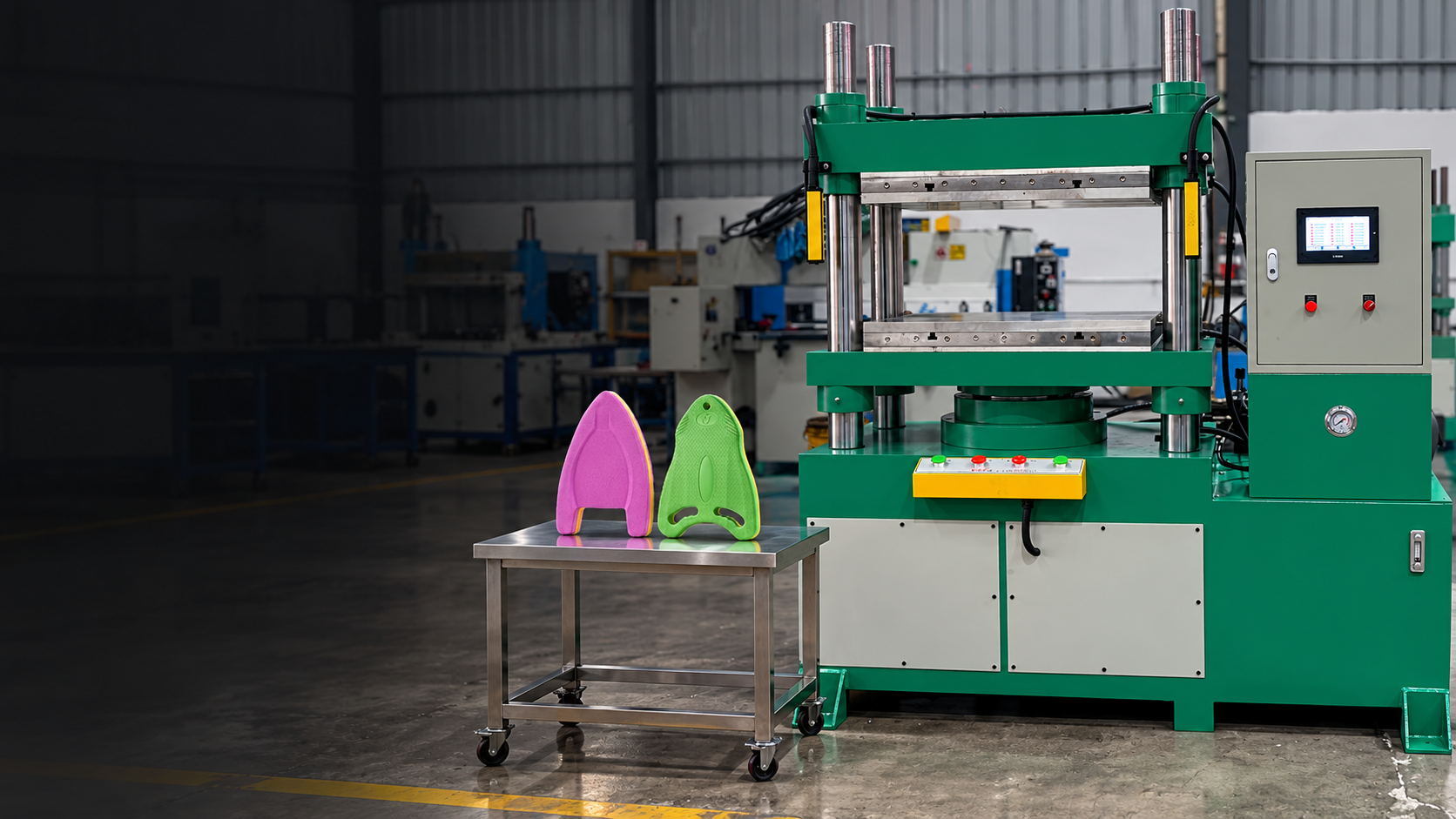
Hot and cold press forming is a forming process completed on a single hydraulic press. The material is first heated and formed under pressure,…
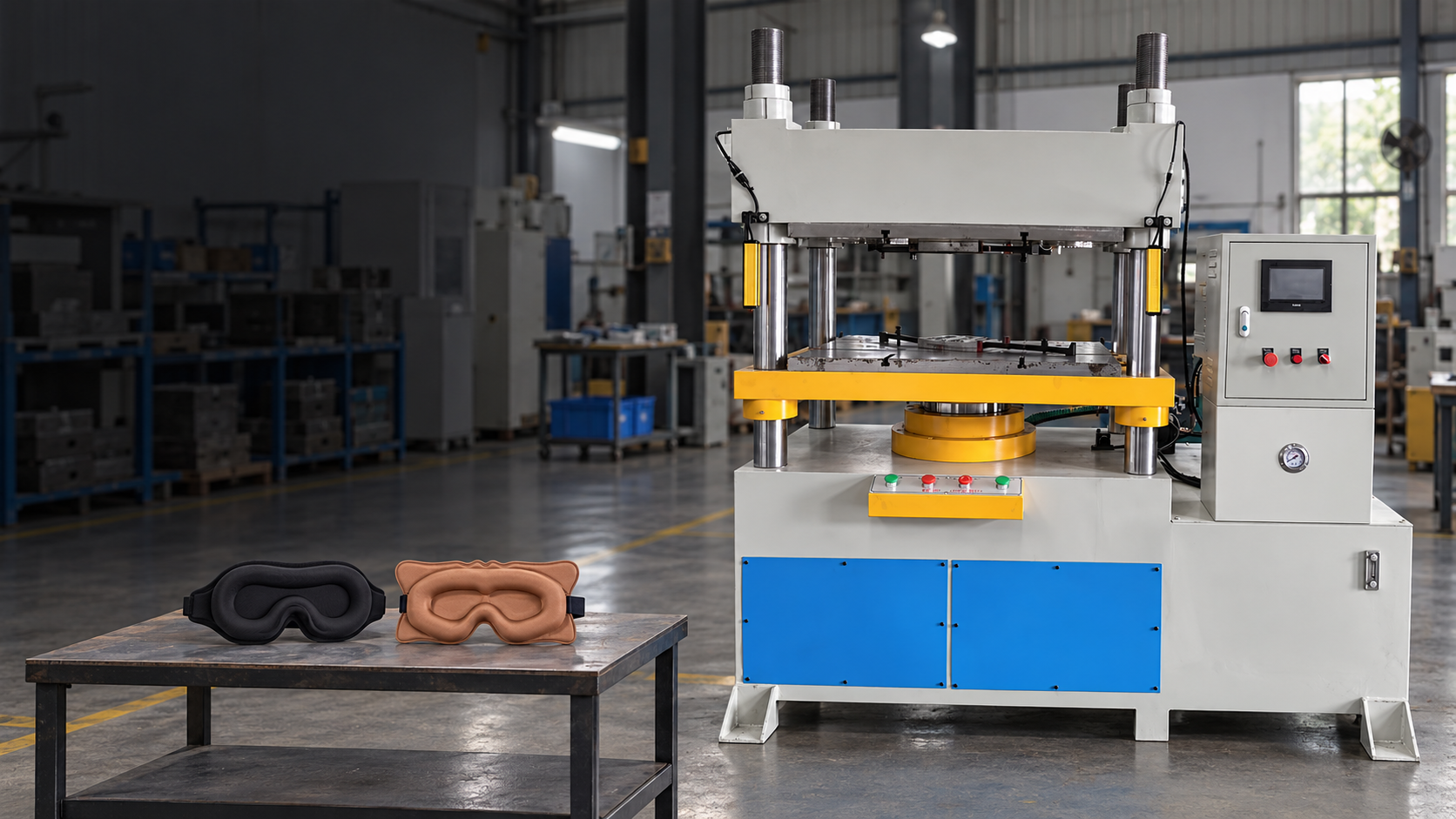
Hot press forming is a manufacturing process that applies controlled heat and pressure to shape, consolidate, and cure materials inside a mold. It is…
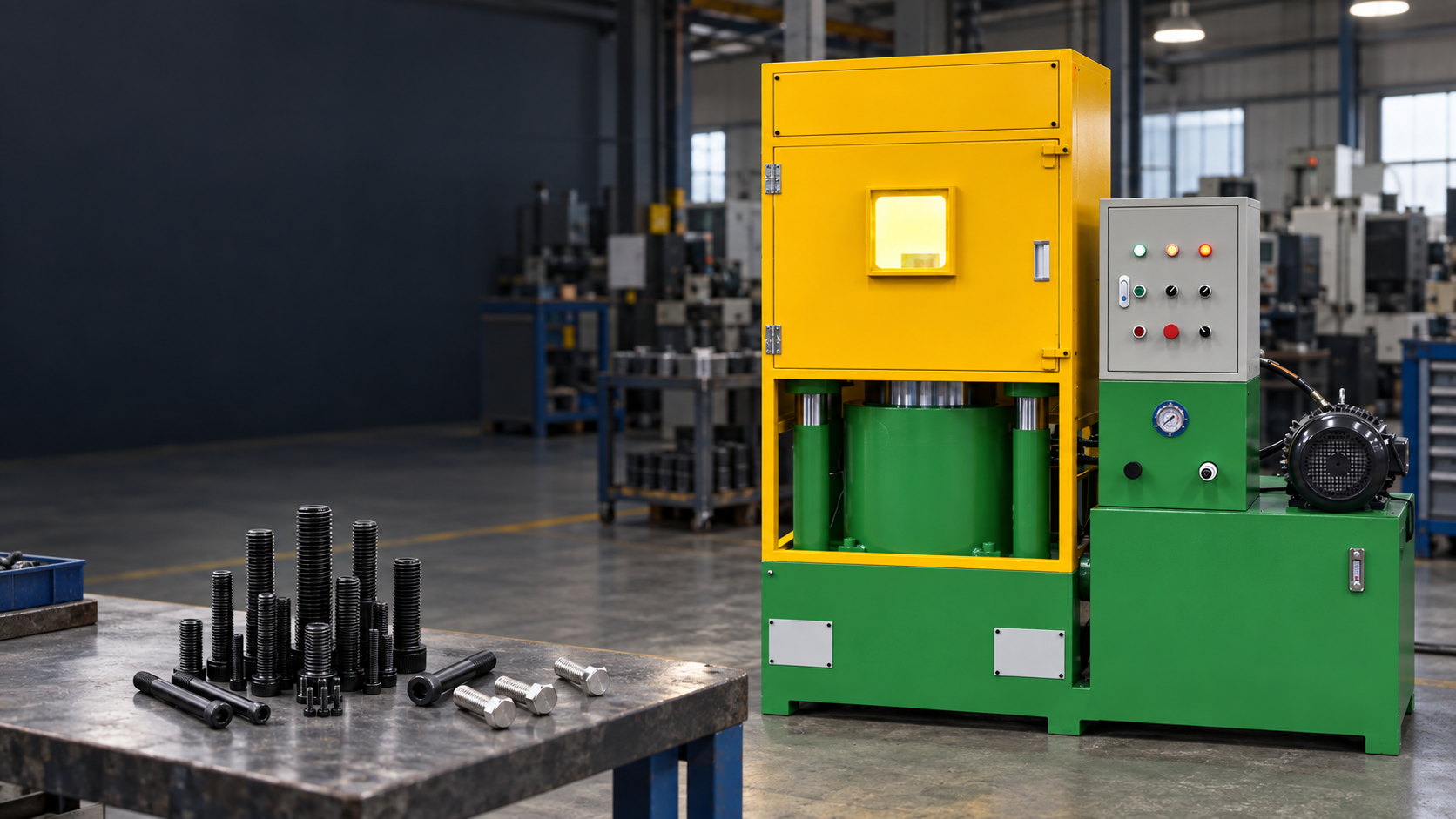
Mold clamping uses suitable bolts and fixtures to secure the upper and lower molds to a hydraulic press. Correct positioning and fastening help keep…
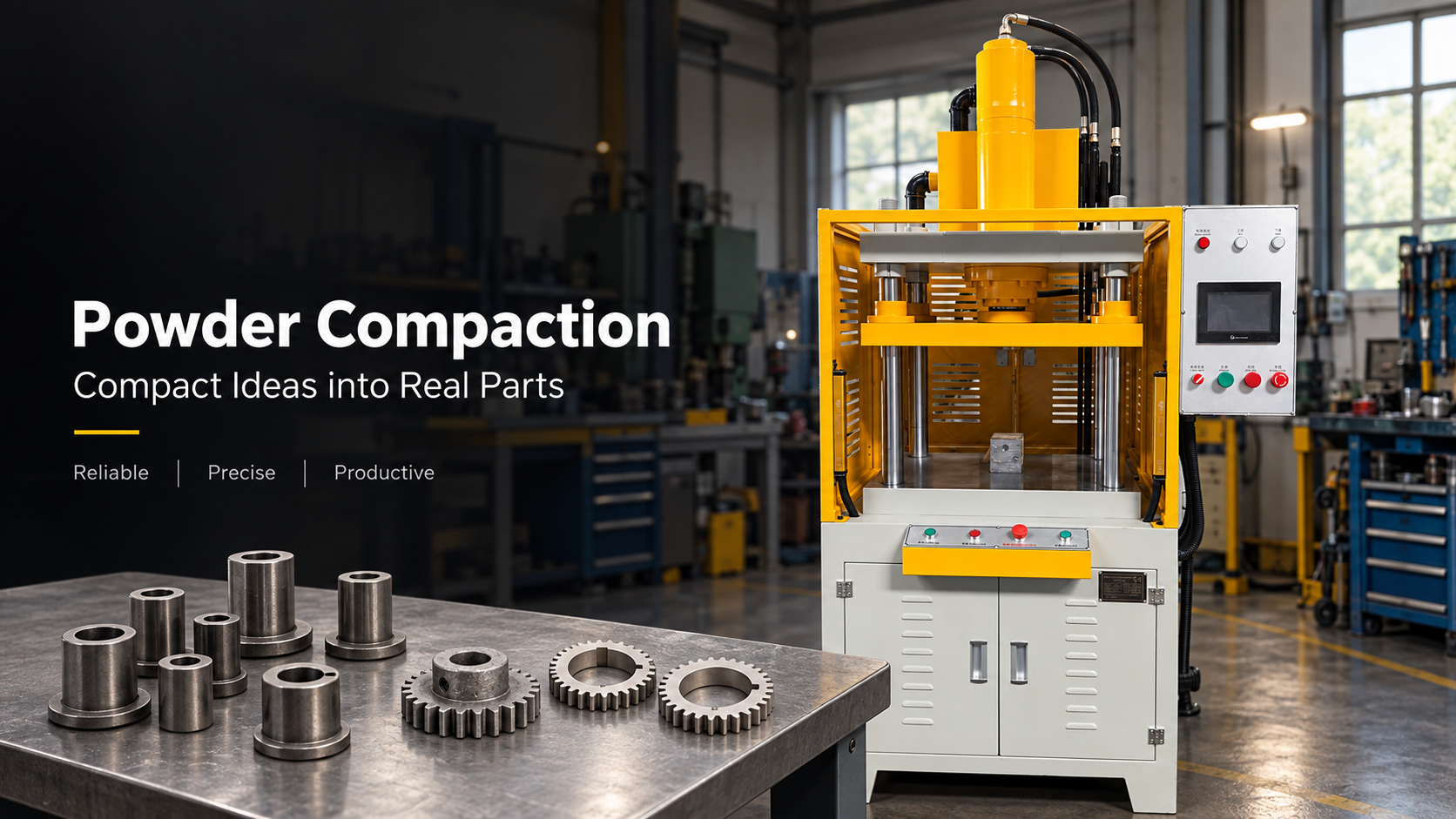
Powder compacting is a forming process in which dry powder is placed into a mold cavity and compressed under controlled pressure to produce a…
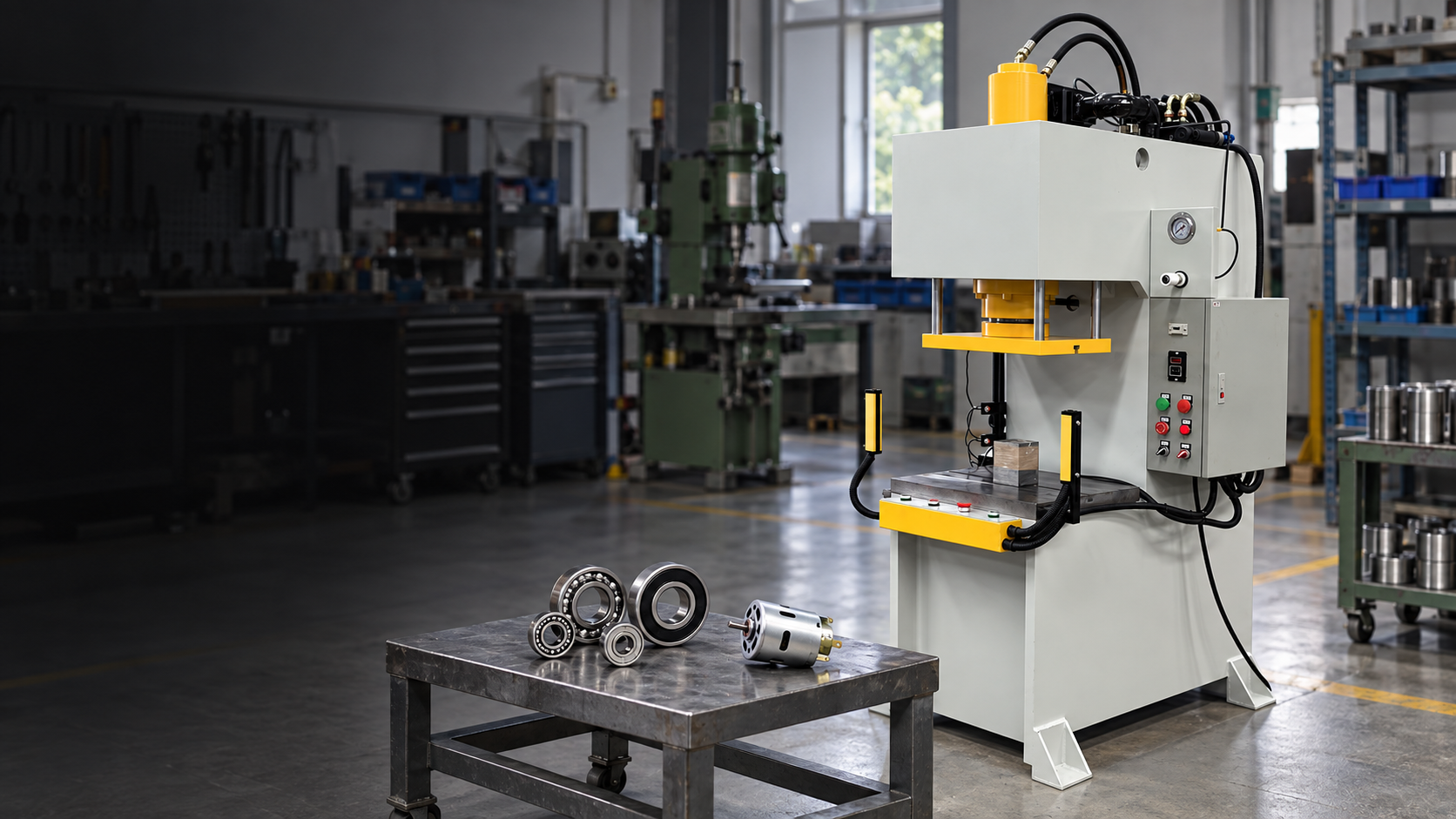
Press-fit assembly is a hydraulic assembly process that uses controlled pressure to install bearings, bushings, shafts, pins, gears, and other components through press fitting…
The same hydraulic press structure can produce very different results depending on heating, pressure, holding, exhaust, transfer and cooling requirements.
Flow, curing, rebound, compression and thermal response determine how the process must be controlled.
Heating only, heating plus cooling, preheating or independent hot/cold stages require different equipment layouts.
Target pressure, pressure build-up, holding time and multi-stage cycles directly affect product consistency.
Mold size, weight, product depth and demolding method determine table size, stroke and daylight.
Production targets influence station quantity, loading method, transfer time and automation level.
Temperature uniformity, parallelism, pressure repeatability and process records determine final product stability.
Equipment shown here is dynamically pulled from products that have a Process taxonomy assigned.
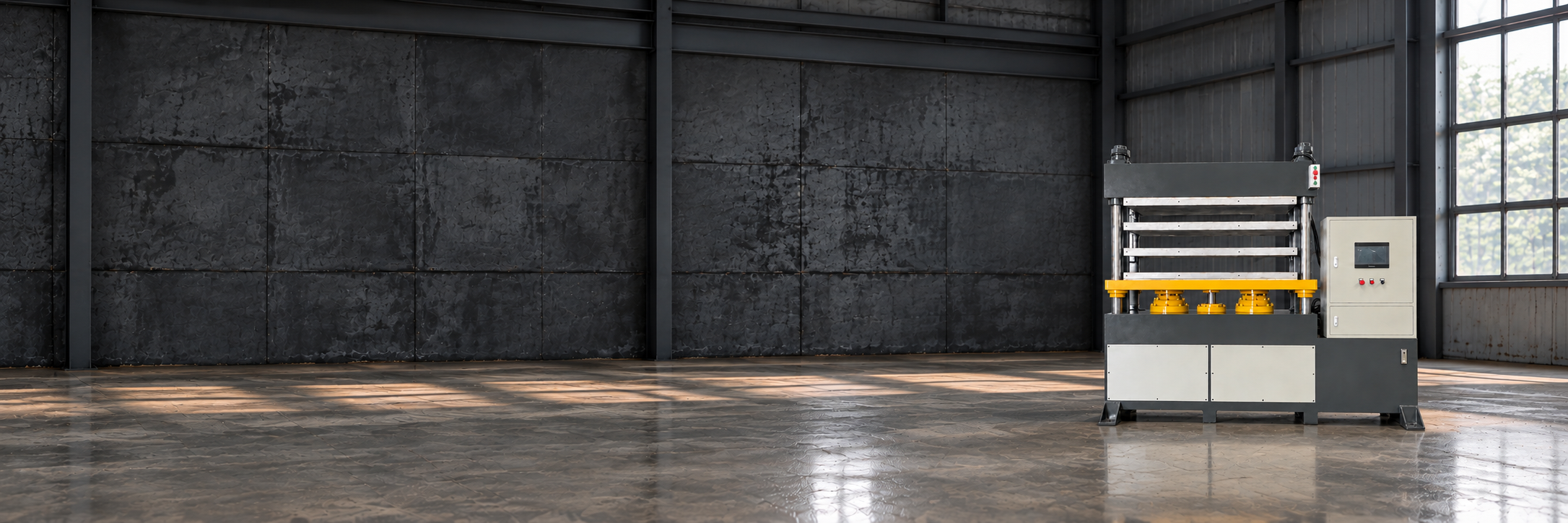
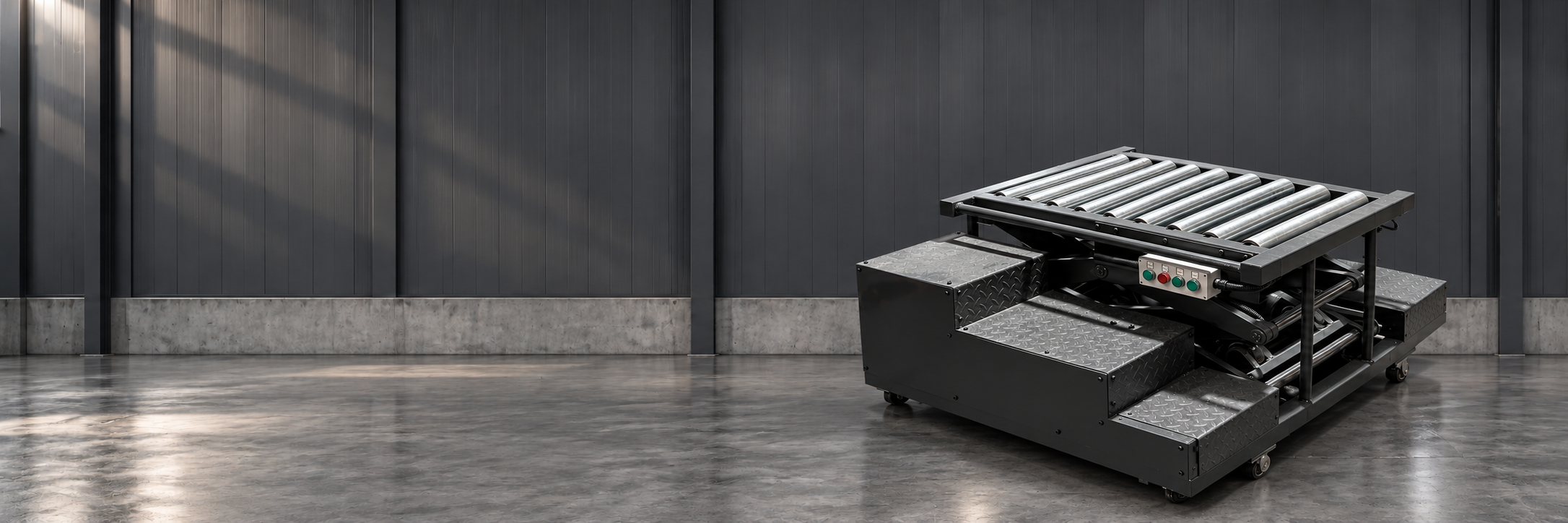
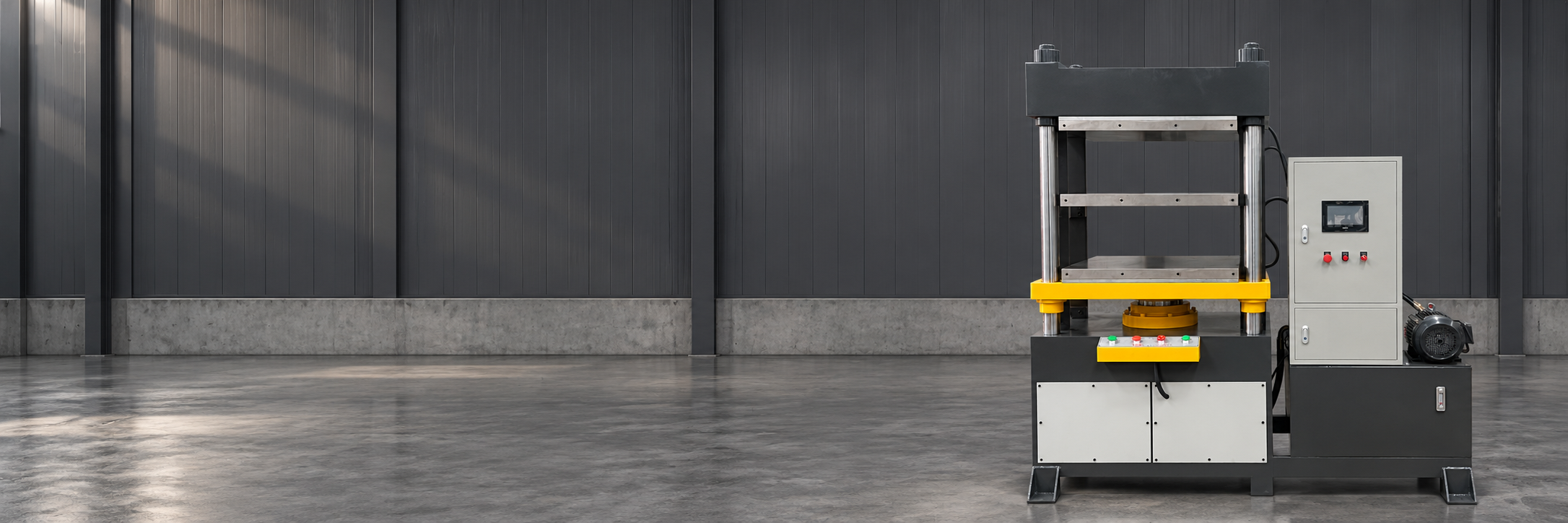
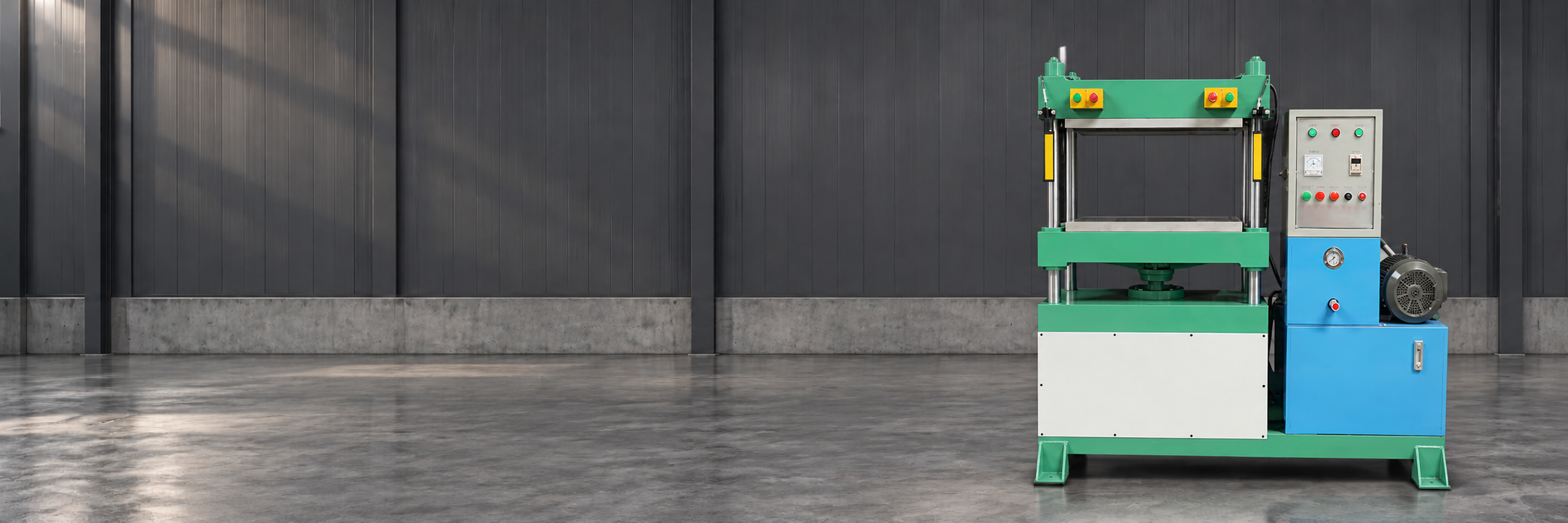
Process requirements connect directly to machine configuration, auxiliary equipment, tooling, handling and production workflow.
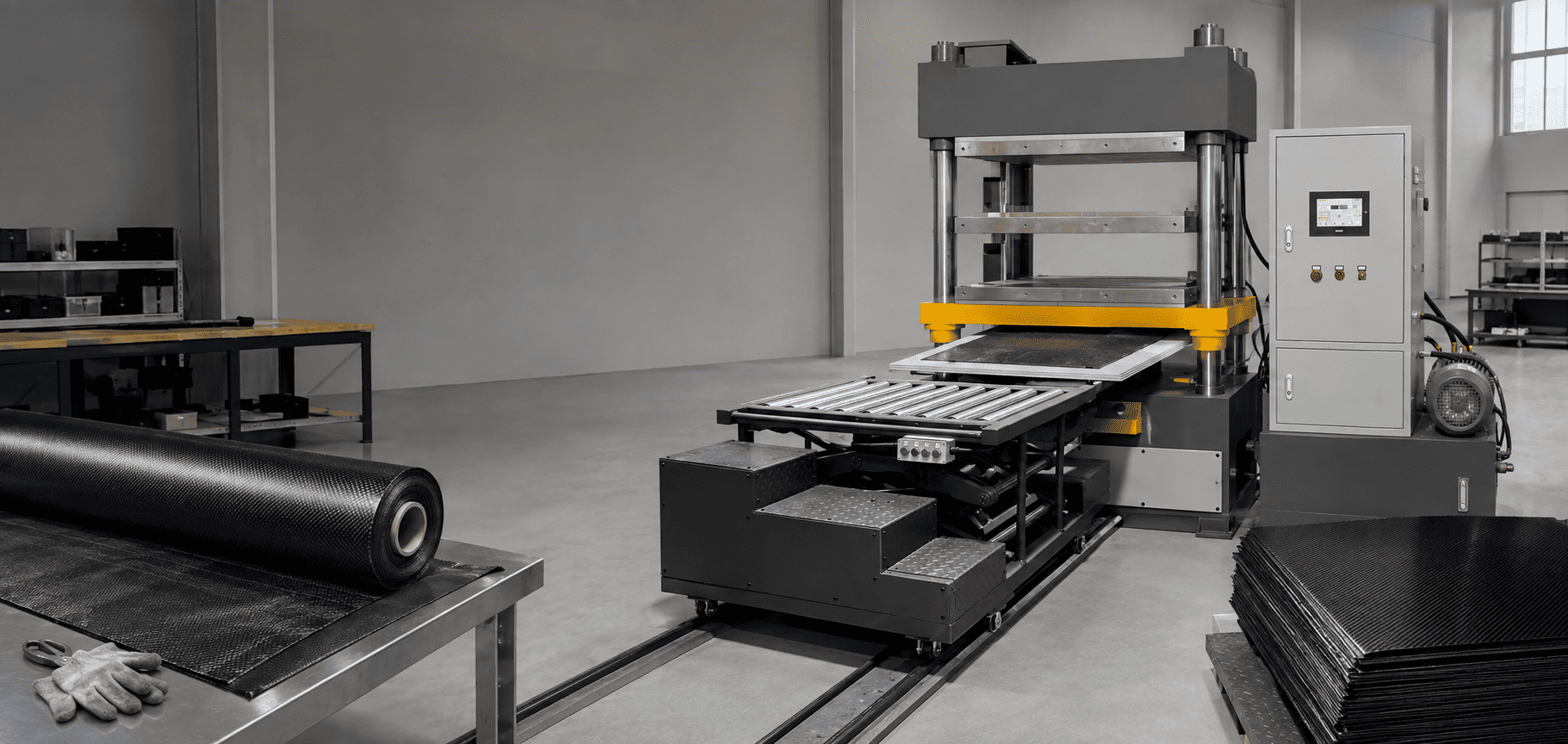
A customized hot press forming solution for producing flat carbon fiber sheets from prepreg, covering material preparation, handling, pressing, cooling, and inspection.
View Solution →Real projects show how forming requirements are translated into pressure, temperature, machine structure and production workflow.
Build a clearer understanding of forming principles, key parameters, material behavior and equipment selection.
Carbon fiber sheets from prepreg require much more control than simply placing stacked material inside a hot press. Poor layup, uneven pressure,…
Read Article →Send us your material, product dimensions, mold information, target capacity and quality requirements. Our engineering team will evaluate the process first, then recommend the equipment configuration.